
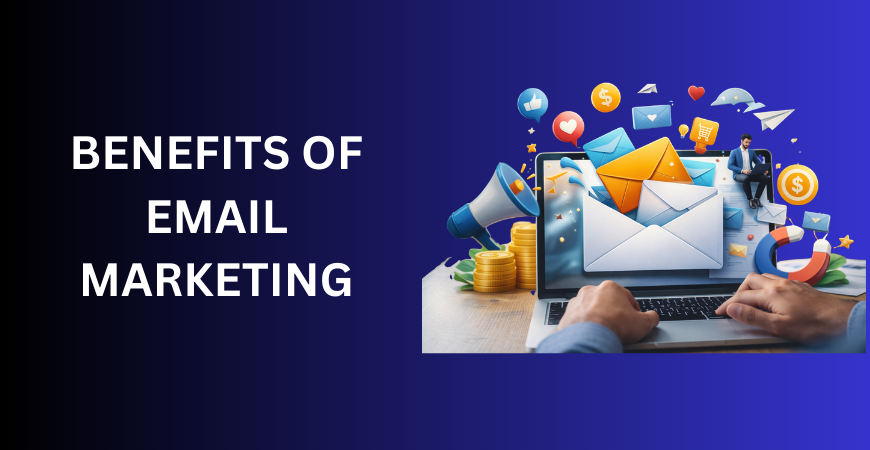
Many marketers talk about the benefits of email marketing, but surprisingly, a lot of businesses still treat it like an afterthought. Instead, they pour most of their time and budget into social media, paid ads, and chasing search rankings. The problem? Those channels depend heavily on algorithms and constant spending. One update or rising ad cost can instantly cut your visibility.
Email works differently. When someone subscribes, you’re not competing with an unpredictable feed—you’re communicating directly with someone who actually chose to hear from you. That level of access is rare in digital marketing, and it’s one of the real benefits of email marketing many brands overlook.
There’s also a trust factor involved. People don’t casually give out their email addresses. When they do, it signals interest. Combined with tools like ai in advertising and smarter targeting, email campaigns today can deliver far more value than most businesses realize.
Why Email Marketing Remains One of the Most Powerful Digital Channels
Direct Access to Your Audience
One of the most overlooked benefits of email marketing is the ability to communicate directly with your audience. Unlike social media platforms where algorithms control visibility, email allows businesses to reach subscribers without interference.
When someone joins your email list, they have actively chosen to receive communication from your brand. That simple action changes the entire marketing dynamic. Instead of trying to capture attention from a cold audience, you are speaking to people who already have some level of interest.
This direct connection means that businesses can share updates, educational content, and offers in a controlled environment. There is no competition from other posts in a crowded feed. Your message arrives directly in the inbox, which significantly increases the chance that it will be noticed.
This is one of the core benefits of email marketing that marketers often underestimate. The ability to bypass algorithms gives businesses stability in a constantly shifting digital landscape.
Predictable Traffic Generation
Another powerful advantage is the ability to generate traffic almost instantly. Publishing a blog post and waiting for it to rank in search engines can take weeks or months. Social media posts may disappear from visibility within hours.
Email works differently.
When businesses send a campaign to their subscribers, traffic can begin arriving within minutes. This predictability is one of the most practical benefits of email marketing, especially for companies launching new products, publishing important updates, or promoting limited-time offers.
For example, many ecommerce brands rely on email campaigns to drive traffic during seasonal promotions. Instead of waiting for customers to discover their offers through search or ads, they simply send a targeted message to their subscriber base.
This ability to activate an audience quickly is a strategic advantage that many brands fail to fully utilize.
Higher Engagement and Conversion Rates
Engagement levels in email campaigns tend to be significantly higher compared to many other digital channels. Subscribers have already shown interest by signing up, which means they are more likely to open messages and interact with the content.
Industry research consistently shows that email marketing produces strong conversion rates. In many cases, the return on investment can exceed $35 for every dollar spent. This statistic highlights one of the most measurable benefits of email marketing.
Several factors contribute to this performance.
First, email allows for personalized messaging. Businesses can segment subscribers based on their interests, previous purchases, or behavior. This segmentation makes messages more relevant and increases the likelihood of engagement.
Second, email campaigns can be timed strategically. Businesses can send reminders, follow-up offers, or educational content at specific stages of the customer journey.
These capabilities make the benefits of email marketing particularly valuable for brands that want to build long-term relationships with their audience rather than focusing solely on one-time transactions.

The Hidden Benefits of Email Marketing That Many Businesses Overlook
Email Lists Are Long-Term Business Assets
Many marketing channels operate on rented space. Social media followers belong to the platform. Search engine traffic depends on ranking algorithms. Paid ads disappear the moment the budget stops.
An email list is different.
When businesses build a strong subscriber base, they create a marketing asset that they control. This ownership represents one of the most strategic benefits of email marketing.
A well-maintained email list can generate consistent traffic and revenue over time. Businesses can nurture subscribers through valuable content, gradually building trust and authority.
This approach is particularly effective for service providers and consultants. Regular newsletters can educate potential customers while positioning the brand as an expert in its field.
Interestingly, email lists also support other marketing strategies. For example, businesses working on orm in digital marketing often use email campaigns to maintain positive engagement with their audience and reinforce brand credibility.
Stronger Customer Retention
Acquiring new customers is expensive. Many businesses invest heavily in advertising to attract first-time buyers but neglect the importance of retaining existing customers.
One of the most important benefits of email marketing is its ability to strengthen customer relationships after the initial purchase.
Through regular communication, brands can stay connected with their audience. They can share product updates, useful tips, and exclusive offers that encourage repeat purchases.
Customer retention strategies often rely heavily on email campaigns. For example, many ecommerce stores send follow-up emails recommending complementary products or offering loyalty rewards.
These strategies highlight another dimension of the benefits of email marketing—the ability to extend the customer lifecycle and increase long-term revenue.
Cost Efficiency Compared to Paid Advertising
Advertising costs continue to rise across most digital platforms. Businesses frequently find themselves competing for limited ad space, driving prices higher.
Email marketing offers a more cost-effective alternative.
Once an email list is established, the cost of sending campaigns is relatively low compared to paid advertising. This efficiency is one of the financial benefits of email marketing that attracts businesses of all sizes.
Even small companies with limited budgets can implement email campaigns using affordable software tools. The scalability of this channel allows businesses to grow their marketing efforts without dramatically increasing costs.
This is particularly important for startups and small businesses that need to maximize their marketing return on investment.
Personalized Customer Experiences
Modern consumers expect personalized experiences. Generic marketing messages rarely perform well because audiences are accustomed to tailored content.
Email marketing supports advanced personalization through segmentation and behavioral data. Businesses can create campaigns that target specific groups based on interests, location, purchase history, or browsing activity.
This capability represents another powerful aspect of the benefits of email marketing. Personalized campaigns often lead to higher engagement and stronger relationships with customers.
For instance, a clothing brand might send different emails to subscribers based on seasonal preferences or previous purchases. A technology company might send educational content tailored to specific user needs.
These targeted messages make communication more relevant and valuable for the recipient.
How Smart Businesses Turn Email Marketing Into a Growth Engine
Integrating Email With Advanced Marketing Technology
Modern email marketing has evolved far beyond simple newsletters. Today, businesses combine email campaigns with advanced marketing technologies to create highly sophisticated strategies.
For example, companies increasingly use ai in advertising to analyze customer behavior and predict which messages will perform best. These insights can help marketers optimize subject lines, content timing, and audience segmentation.
This integration of technology expands the benefits of email marketing, making campaigns more efficient and data-driven.
Artificial intelligence can also automate certain processes, such as sending personalized recommendations or identifying subscribers who are likely to disengage. By using these tools strategically, businesses can maintain stronger relationships with their audience.
Supporting Mobile-First Marketing Strategies
Another key factor influencing digital marketing today is the shift toward mobile devices. A significant percentage of emails are now opened on smartphones.
Because of this trend, businesses must ensure their email campaigns are optimized for smaller screens. Mobile-friendly designs, concise messaging, and fast loading times are essential.
Email campaigns often complement broader Mobile Marketing Strategies, creating seamless experiences across devices. For example, an email might introduce a new product and direct users to a mobile-optimized landing page where they can explore further.
This integration strengthens the overall effectiveness of digital campaigns and enhances the benefits of email marketing.
Building Consistent Brand Authority
Email marketing is not just about promotions. It is also a powerful tool for building authority and trust within a specific industry.
Brands that consistently share valuable insights through newsletters position themselves as reliable sources of information. Over time, subscribers begin to associate the brand with expertise.
This perception creates another long-term advantage among the benefits of email marketing. When customers view a brand as knowledgeable and trustworthy, they are more likely to engage with its products or services.
Educational email content can include case studies, industry trends, and practical tips. These messages help strengthen relationships with subscribers while reinforcing brand credibility.
Strengthening Community and Engagement
Another aspect that often goes unnoticed when discussing the benefits of email marketing is its role in building community.
Businesses can use email campaigns to invite subscribers to events, share behind-the-scenes stories, or highlight customer success stories. These messages create a sense of belonging among the audience.
Community-focused campaigns often generate higher engagement levels because they focus on relationships rather than direct sales. Over time, this approach helps transform subscribers into loyal brand advocates.
Conclusion
Trends in digital marketing change almost every year, but the benefits of email marketing continue to hold their ground. New platforms appear, algorithms shift, and advertising costs keep rising. Yet email remains one of the few channels where businesses still have direct control over how they communicate with their audience.
From reaching people instantly to keeping existing customers engaged, the benefits of email marketing influence nearly every stage of the customer journey. A well-built email list isn’t just another marketing tool—it becomes a long-term asset that can consistently drive traffic, engagement, and sales.
When email campaigns are supported by technologies like ai in advertising, aligned with Mobile Marketing Strategies, and strengthened through practices such as orm in digital marketing, their impact multiplies. Businesses that recognize this don’t treat email as a backup


