In today’s online-first economy, what people say about your brand matters more than what you say about yourself. ORM in digital marketing helps shape what people think about your business long before they actually talk to you or buy from you. Before a customer ever clicks, calls, or visits.
Every review, comment, rating, and brand mention contributes to a digital reputation that directly influences buying decisions. A single negative impression can quietly push customers toward a competitor—without you ever knowing why.
That’s why ORM isn’t optional anymore—it’s a powerful growth driver, a trust builder, and a long-term asset for any business. When managed strategically, ORM strengthens credibility, improves conversion rates, and protects brand equity in an increasingly crowded digital marketplace.
Understanding ORM in Digital Marketing Beyond Reviews
Many businesses still associate ORM solely with handling negative reviews. In reality, ORM in digital marketing is a much broader, more strategic discipline that focuses on controlling brand perception across the entire digital ecosystem.
Reputation Is the First Touchpoint
Before clicking on an ad, filling out a form, or visiting a website, users often search for brand credibility signals. They read Google reviews, scan social media comments, explore third-party listings, and check discussion forums. These touchpoints form a mental shortcut: Is this brand trustworthy or risky?
This is where ORM functions silently but powerfully. It ensures that what people are saying about your brand reflects the right message and aligns with what your business stands for.
ORM vs Traditional Brand Management
Traditional Marketing focused on visual identity, messaging, and offline reputation. ORM adapts that philosophy to digital behaviour. The difference lies in control. Online, brands do not fully control conversations. Customers, algorithms, and platforms do.
ORM in digital marketing helps brands participate in these conversations instead of reacting to them too late. It monitors sentiment, identifies emerging risks, and strengthens positive brand signals before problems escalate.
Platforms Where ORM Actually Operates
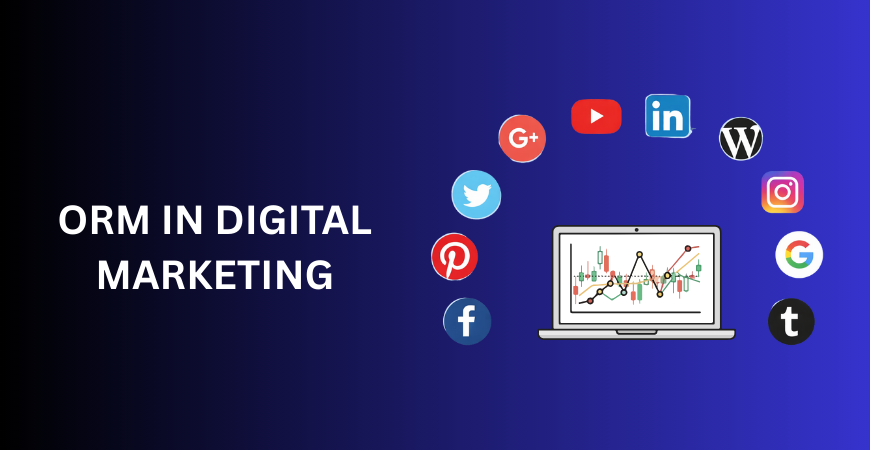
ORM does not live in one place. It spans across:
- Search engine brand results
- Review platforms like Google Reviews and Trustpilot
- Social media comment sections
- Blogs, news mentions, and online forums
Managing these touchpoints consistently creates a cohesive reputation footprint that customers subconsciously trust.
How ORM in Digital Marketing Influences Consumer Psychology
The real power of ORM in digital marketing lies in how it influences decision-making without overt persuasion.
Trust as a Conversion Catalyst
Research shows that more than 90% of people check online reviews before buying—and many trust those reviews almost as much as advice from friends or family. This means ORM directly impacts conversion rates, not just brand image.
When customers see prompt responses to feedback, transparent communication, and consistent ratings, they feel reassured.
Negative Signals and Silent Drop-Offs
A brand does not need a viral controversy to lose customers. Even a few unanswered negative reviews or outdated listings can reduce trust quietly. Users may not complain—they simply leave.
ORM in digital marketing addresses these silent leaks. By identifying and resolving trust gaps early, businesses prevent revenue loss that often goes unnoticed in analytics reports.
Emotional Triggers and Brand Recall
ORM shapes emotional triggers such as safety, reliability, and social proof. When customers repeatedly encounter positive brand mentions across platforms, familiarity builds trust—even before engagement.
The Revenue Connection: ORM as a Growth Driver
Reputation management is often categorized as a defensive strategy. In reality, ORM in digital marketing actively supports revenue growth.
Improved Performance Across Marketing Channels
Paid campaigns, organic traffic, and referral sources all benefit from a strong reputation. A well-optimized ad campaign may drive traffic, but reputation determines whether that traffic converts.
For example, users clicking ads often check reviews before completing a purchase. This is where ORM indirectly supports ppc performance by ensuring credibility aligns with campaign messaging.
ORM and Lead Quality
Businesses with strong reputations attract more qualified leads. These users already trust the brand, require less persuasion, and move faster through the sales funnel. This improves close rates and reduces acquisition costs over time.
Long-Term Brand Equity
Unlike short-term campaigns, ORM compounds over time. Consistent positive sentiment strengthens brand equity, making future launches, partnerships, and expansions easier to execute.
ORM in digital marketing and Search Visibility
Search engines are not reputation-neutral. They reflect public perception.
Brand Searches and First-Page Control
When users search for a brand name, what appears on page one shapes perception instantly. Reviews, articles, listings, and social profiles all contribute to this snapshot.
ORM in digital marketing focuses on influencing these results so that accurate, positive, and authoritative content dominates brand-related searches.
ORM’s Relationship with SEO
Although ORM is not traditional SEO, it strongly supports it. Positive engagement signals, fresh reviews, and authoritative mentions contribute to stronger brand trust signals. These signals indirectly support local seo strategies by improving visibility and engagement for location-based searches.
Technology’s Role in Modern ORM
Managing reputation manually is no longer practical at scale. Modern ORM strategies rely on intelligent tools and integrations.
Automation, Monitoring, and Speed
Monitoring tools track mentions across platforms in real time. Fast responses prevent negative narratives from spreading. This speed is critical in maintaining trust.
Structured Data and Credibility Signals
Implementing schema markup in SEO helps search engines understand brand credibility elements like reviews, ratings, and organizational details. This structured data enhances how reputation signals appear in search results.
ORM as Part of the Digital Ecosystem
ORM does not exist in isolation. It integrates with website development decisions, ensuring review sections, testimonials, and feedback mechanisms are user-friendly and credible. It also complements broader strategies executed by a digital marketing agency that understands reputation as a business asset.
Preparing for the Future of ORM
As algorithms evolve, reputation signals will become even more influential.
The rise of ai in advertising means automated systems increasingly evaluate trustworthiness before allocating visibility. Brands with weak reputation signals may struggle to compete, regardless of budget.
ORM in digital marketing as a Crisis Prevention & Trust-Building System
While many brands view ORM in digital marketing as reactive—fixing issues after they occur—the most effective approach is proactive. Strategic ORM anticipates potential crises, builds trust continuously, and ensures the brand narrative remains favorable even during challenges.
Identifying and Mitigating Risks Early
The digital landscape is unforgiving. A single unresolved complaint on social media or an inaccurate review on a third-party platform can escalate into a full-blown reputation crisis. ORM in digital marketing equips businesses with the tools and processes to detect emerging risks early.
Monitoring platforms continuously track brand mentions, sentiment trends, and unusual spikes in negative feedback. For example, a sudden increase in critical mentions of a product can be addressed immediately, preventing widespread social amplification. This early detection not only protects brand image but also safeguards revenue streams.
Responding Strategically to Negative Feedback
How a business responds to criticism is more important than the criticism itself. ORM emphasizes timely, empathetic, and transparent communication with dissatisfied customers. When handled correctly:
- Negative feedback can be turned into a public demonstration of responsiveness and accountability.
- Consumers witness the brand addressing concerns, which strengthens trust.
- Brand loyalty often increases among existing customers who see consistent integrity in action.
A real-world example is how some hospitality businesses actively respond to every review on platforms like TripAdvisor or Google Reviews, turning potential brand damage into trust-building moments.
Trust-Building as a Long-Term Strategy
Trust is cumulative. Each interaction, review response, and brand mention adds up to a digital reputation footprint. ORM in digital marketing focuses on reinforcing this trust through consistency.
This is not limited to social platforms. A brand’s website, customer support touchpoints, and even offline communications contribute to its online perception. Integrating ORM with other digital strategies, including web development and local SEO strategies, ensures that all customer interactions reinforce positive sentiment.
Enhancing Visibility and Authority Through ORM
A strong reputation extends beyond crisis prevention. It helps your brand show up more in search results and builds your reputation as an expert in your field.
Dominating Brand-Related Searches
When users search for a company or product online, the first page of search results serves as a “digital storefront.” ORM in digital marketing ensures that positive reviews, expert mentions, and valuable content dominate these results.
A strategic ORM approach often involves:
- Publishing thought leadership content to reinforce expertise
- Encouraging satisfied customers to leave reviews, improving social proof
- Collaborating with authoritative sites to generate credible mentions
These efforts collectively influence click-through rates, conversions, and overall brand trust. A credible online presence increases the likelihood of users choosing your brand over competitors, even if the competitors have similar pricing or offerings.
Integrating ORM with Marketing Channels
ORM doesn’t work in isolation—it strengthens other marketing initiatives:
- PPC campaigns: Ad clicks are more likely to convert if users see positive reputation signals on landing pages.
- Social media marketing: Positive engagement amplifies content reach.
- SEO: ORM supports organic rankings by ensuring authoritative content is highlighted in brand searches.
Even emerging technologies like AI in advertising now weigh brand sentiment in automated bidding and targeting decisions. Brands with poor ORM may see lower visibility or less favorable automated placements, proving that reputation management is deeply intertwined with digital marketing success.
Measuring the Impact of ORM on Business Growth
Quantifying ORM effectiveness is crucial for justifying investment and optimizing strategies.
Metrics to Track
- Sentiment Analysis: Monitoring positive, neutral, and negative mentions across social platforms.
- Review Scores: Average ratings on Google, Yelp, or industry-specific platforms reflect customer perception.
- Engagement Rate: Customer interactions on social media posts and content demonstrate trust and resonance.
- Conversion Rates: Tracking how reputation signals influence leads and sales.
- Search Engine Visibility: Analyzing brand-related keyword rankings and organic impressions.
A 2024 BrightLocal study shows that most people read online reviews before choosing a local business, and nearly the same number trust those reviews as much as personal recommendations—clearly linking ORM to business growth.
ROI of ORM in digital marketing
Investing in ORM may not yield immediate revenue spikes like PPC campaigns, but the long-term ROI is significant:
- Increased customer lifetime value through loyalty
- Higher conversion rates due to stronger trust signals
- Lower acquisition costs as satisfied customers become advocates
- Improved performance for digital marketing agency campaigns due to enhanced credibility
Best Practices for Effective ORM
Implementing ORM strategically requires more than reactive measures. Brands need a structured approach:
Consistent Monitoring
Continuous tracking of online mentions ensures that opportunities and risks are identified promptly. Automated ORM tools can aggregate mentions across social networks, review platforms, blogs, and forums.
Transparent Engagement
Brands must respond honestly and constructively to both praise and criticism. This transparency fosters authenticity and customer trust.
Proactive Content Strategy
Publishing quality content that reflects expertise, values, and customer success stories supports positive brand perception. Integrating schema markup in SEO can amplify trust signals in search engines.
Internal Collaboration
ORM is not solely the responsibility of marketing. Sales, customer service, and product teams play critical roles in delivering experiences that reinforce positive online narratives.
Leveraging Technology
Modern ORM combines human judgment with tools for automation, sentiment analysis, and reporting. Integrating ORM with web development ensures customer touchpoints are optimized for engagement, review collection, and positive impression building.
Long-Term Business Growth Through ORM in digital marketing
While short-term reputation fixes can mitigate immediate threats, ORM in digital marketing becomes a true growth driver when approached strategically over time. A well-managed reputation not only prevents losses but actively attracts opportunities, strengthens customer loyalty, and positions a brand for sustainable expansion.
Strengthening Customer Loyalty
Trust is the foundation of loyalty. This loyalty manifests in repeat purchases, positive referrals, and advocacy, which reduces dependence on paid marketing channels.
For instance, businesses that respond to negative reviews within 24 hours often see a 12–15% higher likelihood of retaining dissatisfied customers. By consistently delivering responsive ORM practices, brands turn even potentially negative experiences into growth opportunities.
Influencing Lead Generation and Conversion
Prospective customers evaluate brands based on online reputation long before making contact. By strategically implementing ORM in digital marketing, businesses influence decision-making at the very first interaction. Positive reviews, high ratings, and a strong presence in industry-related discussions act as trust signals.
This trust accelerates the buyer’s journey. Leads generated through a well-reputed brand are more likely to convert at higher rates compared to leads acquired through campaigns alone. Furthermore, these leads often become advocates themselves, sharing experiences that feed into the ORM cycle.
Enhancing Brand Equity
Over time, effective ORM strengthens brand equity. When ORM is integrated with other digital strategies, it amplifies the effect of initiatives like:
- Local SEO strategies, which improve visibility in targeted geographic areas
- Thought leadership content that reinforces expertise
- Social media engagement that demonstrates consistent brand values
High brand equity allows businesses to command premium pricing, secure strategic partnerships, and expand into new markets more effectively.
Integrating ORM With Broader Digital Marketing Strategy
ORM in digital marketing does not operate in isolation. For it to truly work, it has to be integrated into your wider digital marketing efforts.
Synergy With Paid and Organic Channels
A brand’s online reputation directly influences the effectiveness of PPC and organic campaigns. Users who encounter a positive reputation are more likely to click ads, engage with content, and complete purchases. Conversely, negative signals can reduce the ROI of high-budget campaigns.
For organic strategies, ORM complements SEO by ensuring that brand-related content appears prominently and positively in search results. Combined with schema markup, businesses can showcase reviews, ratings, and trust signals that make search results more attractive and credible.
Collaborating With Agencies and Experts
Partnering with a digital marketing agency experienced in ORM ensures that reputation management aligns with other marketing goals. Agencies can assist in:
- Monitoring mentions across platforms
- Crafting response protocols for feedback
- Integrating ORM with campaigns, content strategy, and analytics
Moreover, agencies can provide insights into emerging trends, such as the use of AI in advertising, ensuring that reputation management evolves with technology.
Optimizing Web Presence
Good web development is an important part of supporting a strong ORM strategy. Websites should provide clear pathways for customer engagement, review submissions, and feedback. User-friendly design, trust badges, testimonials, and updated content all reinforce credibility. A poorly designed site, no matter how strong offline reputation is, can undermine ORM efforts.
Actionable Steps to Implement ORM in digital marketing
For brands aiming to leverage ORM as a growth tool, the following steps create a structured approach:
- Audit Current Reputation: Identify existing brand mentions, reviews, and customer sentiment across platforms.
- Integrate With Marketing Campaigns: Align ORM with content, local SEO strategies, social media, and paid campaigns.
- Leverage Analytics: Track conversions, engagement, and sentiment improvements to quantify ROI.
- Adapt to Emerging Tech: Incorporate tools like AI in advertising and predictive analytics to stay ahead of reputation risks.
These steps ensure that ORM becomes a repeatable, measurable, and strategic component of digital marketing rather than a reactive effort.
Case Studies: ORM Driving Real Business Growth
Example 1: Hospitality Industry
A mid-sized hotel chain implemented comprehensive ORM by responding to all reviews and actively promoting guest experiences online. Within six months:
- Positive reviews increased by 42%
- Booking conversions increased by 18%
- Repeat guest bookings rose by 25%
This demonstrates how ORM in digital marketing translates into tangible revenue growth.
Example 2: E-Commerce Sector
An online retailer faced declining sales due to negative product reviews and low social engagement. By integrating ORM practices with web development improvements, review management, and social listening tools:
- Negative review resolution time dropped to under 24 hours
- Customer satisfaction scores improved by 30%
- Overall sales increased by 22% in one quarter
These cases illustrate that ORM is not just about protecting reputation—it actively contributes to business growth.
Future Trends in ORM
As digital landscapes evolve, ORM in digital marketing will increasingly intersect with technology and data-driven marketing:
- Predictive Analytics: Anticipating reputation risks before they escalate
- AI-Powered Sentiment Analysis: Real-time detection of emerging trends or potential crises
- Integrated Marketing Automation: ORM data informing PPC, email, and content campaigns
- Enhanced Schema Markup Usage: Highlighting ratings, awards, and certifications for credibility in search results
Brands that adopt these strategies early will have a competitive advantage, ensuring sustained growth and market leadership.
Conclusion
The importance of ORM in digital marketing extends far beyond damage control. When implemented strategically, it serves as a revenue protection tool, a trust builder, and a long-term growth engine. From influencing consumer psychology and enhancing search visibility to integrating with local SEO strategies, web development, PPC, and even AI in advertising, ORM is central to modern digital marketing success.
By proactively monitoring reputation, responding to feedback, and aligning ORM with broader marketing strategies, businesses can unlock higher conversions, stronger brand loyalty, and measurable revenue growth.
In a world where online perception often precedes direct interaction, ignoring ORM in digital marketing is no longer an option—it is a risk that can silently erode market share, while investing in it is a proven pathway to sustainable business growth.
ORM in digital marketing is no longer just a defensive tool—it’s a key driver of business growth. By managing online reputation, responding to feedback, and building trust, brands can boost conversions, strengthen loyalty, and enhance long-term credibility.