Artificial Intelligence in marketing is rapidly changing how businesses attract, engage, and retain customers. From automation and predictive analytics to personalized campaigns, AI helps brands make smarter decisions and improve marketing performance.
As AI tools become more accessible, businesses of all sizes can leverage them to streamline processes, better understand customer behavior, and enhance overall efficiency. Understanding how AI works and where it adds value is becoming increasingly important in today’s competitive digital landscape.
Whether it’s optimizing advertising, improving customer experiences, or supporting content creation, AI is helping brands achieve better results while saving time and resources.
What Is Artificial Intelligence in Marketing?
Artificial Intelligence in marketing refers to the use of technologies such as machine learning, natural language processing, predictive analytics, and automation to improve marketing activities. These tools help businesses analyze large amounts of data, identify trends, predict customer behavior, and automate tasks that would otherwise require significant time and effort.
Traditional marketing often relies on historical data and human judgment. While these remain important, AI enables marketers to process information much faster and uncover insights that may be difficult to identify manually. Modern platforms can analyze thousands of customer interactions in real time, helping businesses respond more effectively to changing market conditions.
Rather than replacing marketers, AI serves as a powerful support system. It helps teams make informed decisions, improve efficiency, and focus more on strategy, creativity, and building meaningful customer relationships.
Why Artificial Intelligence Is Becoming Essential for Brands
Consumers today expect highly personalized experiences. They want relevant recommendations, timely communication, and seamless interactions across multiple channels. Meeting these expectations manually is becoming increasingly difficult as businesses collect more customer data and manage more marketing channels.
This is where Artificial Intelligence in marketing creates significant value. AI systems can analyze customer behavior, browsing patterns, purchase history, and engagement metrics to create highly personalized experiences. Brands can deliver the right message to the right audience at the right time without manually segmenting every customer group.
Businesses that integrate AI into their overall digital marketing strategy often gain a competitive advantage because they can respond faster to market trends, optimize campaigns continuously, and allocate resources more efficiently. Instead of making assumptions, marketers can use AI-generated insights to guide decision-making and improve campaign performance.
Key Benefits of Artificial Intelligence in Marketing
Enhanced Customer Personalization
One of the biggest advantages of AI in marketing is its ability to personalize customer experiences at scale. AI can analyze individual preferences and behaviors to recommend products, customize website content, and tailor marketing messages.
For example, e-commerce brands use AI recommendation engines to suggest products based on previous purchases and browsing history. Streaming platforms use similar technology to recommend content that aligns with user interests. This degree of personalization increases engagement and improves conversion rates.
Better Decision-Making Through Data
Modern businesses generate enormous amounts of data every day. Without the proper tools, a significant amount of this information goes unused. AI in marketing helps brands transform raw data into actionable insights.
AI-powered analytics platforms can identify customer trends, predict future behaviors, and uncover opportunities that may otherwise go unnoticed. This allows marketers to make informed decisions rather than relying solely on assumptions or past experiences.
Increased Marketing Efficiency
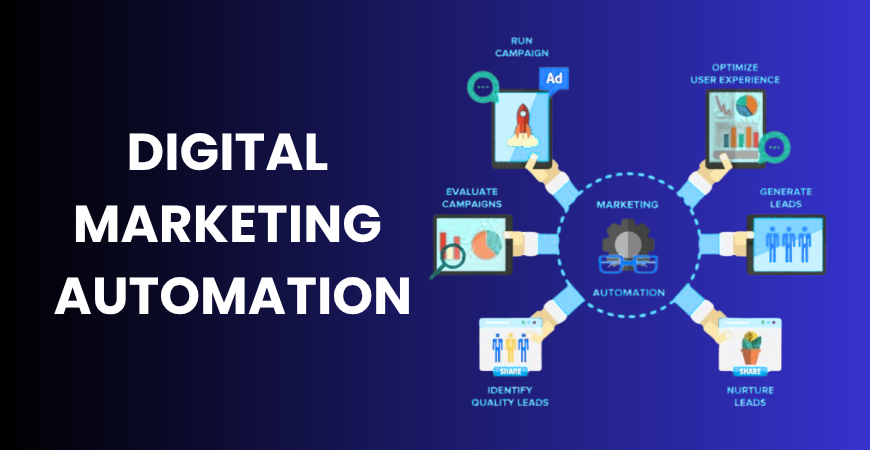
Many marketing tasks are repetitive and time-consuming. AI can automate activities such as audience segmentation, campaign scheduling, reporting, lead scoring, and customer support interactions.
Automation reduces manual workload and allows marketing teams to focus on strategy, creativity, and relationship building. Businesses can achieve greater productivity while maintaining consistency across campaigns.
Improved Return on Investment
AI in marketing can significantly improve campaign efficiency by optimizing targeting, budgeting, and content delivery. AI systems continuously learn from campaign performance and adjust strategies based on real-time data.
This level of optimization supports stronger results and complements broader performance marketing guide principles by ensuring marketing budgets are allocated more effectively.
Major Applications of Artificial Intelligence in Marketing
AI-Powered Content Creation
Content remains one of the most important elements of digital marketing. However, producing consistent and high-quality content can prove to be difficult. AI-powered tools help marketers generate blog ideas, draft content, create social media captions, and develop email copy.
These tools are not meant to replace human creativity. Instead, they accelerate the content creation process and help teams produce more content efficiently. Businesses exploring content-focused AI solutions often begin with tools discussed in guides such as ChatGPT for beginners, which demonstrate how generative AI can support marketing workflows.
AI in Advertising
Advertising has become increasingly data-driven, making Artificial Intelligence in marketing especially valuable for campaign management. AI helps advertisers analyze audience behavior, optimize bids, predict outcomes, and improve targeting accuracy.
Through machine learning, advertising platforms can identify users most likely to engage with specific messages and automatically adjust campaign settings to maximize performance. Businesses interested in understanding these concepts in greater depth can explore topics related to AI in advertising to see how automation is transforming paid media campaigns.
AI for Social Media Marketing
Social media platforms generate vast amounts of behavioral data. AI helps marketers understand audience preferences, identify trending topics, and optimize content distribution.
Many social networks use AI-driven recommendation systems to determine which content appears in user feeds. Understanding these systems is closely connected to how social media algorithms influence content visibility and engagement.
Brands that leverage AI insights can create more relevant content, improve engagement rates, and strengthen their social media presence.
AI for Email Marketing
Email marketing remains one of the most effective digital marketing channels, and Artificial Intelligence in marketing is making it even more powerful. AI can optimize subject lines, predict the best sending times, personalize content, and automate customer journeys.
Instead of sending identical messages to every subscriber, businesses can use AI to deliver highly targeted communications based on user behavior and preferences. This approach enhances customer engagement while supporting the broader benefits of email marketing that businesses seek to achieve.
AI for SEO
Search engine optimization is becoming increasingly data-intensive. AI-powered SEO tools help marketers identify keyword opportunities, analyze competitors, optimize content, and improve search visibility.
While AI cannot replace sound SEO fundamentals, it can accelerate research and provide valuable recommendations. Businesses looking to strengthen organic visibility should continue following best SEO practices while using AI as a complementary tool rather than a complete replacement.
How AI Improves Marketing Analytics
Marketing success depends on accurate measurement. AI in marketing enhances analytics by identifying trends, predicting future outcomes, and uncovering relationships within large datasets.
AI-powered analytics platforms can help answer important questions such as:
| Marketing Challenge | How AI Helps |
| Low conversion rates | Identifies behavioral patterns and optimization opportunities |
| Poor audience targeting | Refines audience segments using predictive analysis |
| Campaign inefficiency | Recommends budget allocation improvements |
| Customer churn | Predicts potential customer drop-offs |
| Content performance | Identifies content that drives engagement |
These insights allow brands to continuously improve their marketing strategies and achieve better results over time.
The Role of AI in Customer Experience
Customer experience has become a major differentiator for brands. AI enables businesses to provide faster responses, more relevant recommendations, and personalized interactions throughout the customer journey.
Chatbots, virtual assistants, and intelligent support systems can handle routine inquiries around the clock, improving customer satisfaction while reducing operational costs. AI also helps brands anticipate customer needs by analyzing historical interactions and predicting future behaviors.
As customer expectations continue to evolve, Artificial Intelligence in marketing will play an increasingly important role in delivering seamless and meaningful experiences.
Challenges and Limitations of AI in Marketing
Although AI offers numerous benefits, businesses should also understand its limitations.
Data Privacy Concerns
AI relies heavily on data. Brands must ensure they collect, store, and process customer information responsibly while complying with privacy regulations.
Dependence on Data Quality
AI systems are only as effective as the data they receive. Inaccurate or incomplete data can lead to poor recommendations and ineffective decisions.
Risk of Over-Automation
While automation improves efficiency, excessive reliance on AI can create impersonal customer experiences. Human oversight remains essential.
Need for Human Creativity
Artificial Intelligence in marketing excels at analyzing data and automating processes, but creativity, storytelling, and emotional intelligence still require human involvement.
The Future of Artificial Intelligence in Marketing
The future of AI in marketing looks promising. As technology continues to evolve, businesses can expect more advanced personalization, predictive capabilities, and automation.
Emerging trends include AI-powered customer journey mapping, conversational commerce, predictive content generation, voice search optimization, and advanced audience modeling. These innovations will help brands deliver increasingly relevant experiences while improving operational efficiency.
Businesses that begin experimenting with AI today will be better positioned to adapt to future changes and maintain a competitive advantage in the digital marketplace.

How Businesses Can Get Started With AI Marketing
Many businesses recognize the benefits of Artificial Intelligence in marketing, but are unsure where to begin. The key is to start with specific business objectives rather than adopting AI simply because it is trending. Brands should identify areas where automation, personalization, or data analysis can improve efficiency and customer experience.
A practical approach is to begin with one or two AI-powered tools, such as content generation platforms, marketing analytics tools, or customer support chatbots. As businesses become more comfortable with AI, they can gradually expand its use across advertising, email marketing, content optimization, and customer relationship management.
However, achieving success in implementation involves more than just choosing the appropriate software. Businesses must ensure that AI tools align with their marketing goals, integrate with existing systems, and provide measurable results. Many organizations choose to work with experienced digital marketing professionals to develop a structured AI adoption strategy. At Digiad Solution, we help businesses identify practical AI opportunities, implement marketing automation effectively, and use data-driven insights to improve campaign performance while maintaining a strong focus on business growth.
Conclusion
Artificial Intelligence in marketing is helping brands improve customer experiences, automate repetitive tasks, and make smarter marketing decisions. As AI technology continues to evolve, businesses that adopt it strategically will be better positioned to stay competitive and achieve sustainable growth.
While AI offers powerful capabilities, the best results come from combining technology with human expertise, creativity, and clear marketing goals. By using AI thoughtfully and focusing on customer needs, brands can unlock new opportunities for growth and build stronger connections with their audiences.
Frequently Asked Questions
What is Artificial Intelligence in marketing?
Artificial Intelligence in marketing refers to the use of AI technologies such as machine learning, predictive analytics, and automation to improve marketing activities, customer experiences, and business outcomes.
How is AI used in marketing?
AI is used for content creation, customer segmentation, advertising optimization, email marketing, social media analysis, predictive analytics, and customer support automation.
Can small businesses benefit from Artificial Intelligence in marketing?
Yes. Many affordable AI tools are designed specifically for small businesses and can help improve efficiency, personalization, and campaign performance.
Is AI replacing digital marketers?
No. AI supports marketers by automating repetitive tasks and providing insights, but human creativity, strategy, and relationship-building remain essential.
What are the biggest benefits of Artificial Intelligence in marketing?
Key benefits include improved personalization, better decision-making, increased efficiency, enhanced customer experiences, and stronger return on investment.