Introduction
Answer Engine Optimization, or AEO, is becoming one of the most important concepts in modern search marketing. As users increasingly rely on AI-powered platforms to find information, businesses need to optimize their content not just for search engines but also for answer engines that provide direct responses. Rather than visiting various websites, users today anticipate fast, precise, and conversational responses.
Search behavior has evolved significantly in recent years. Platforms such as ChatGPT, Google AI Overviews, Perplexity, and Gemini are changing how people discover information online. This shift means brands must focus on creating content that is easy for artificial intelligence systems to understand, process, and present to users.
For businesses aiming to stay visible in this changing landscape, AEO offers a new opportunity. It enables brands to become trusted information sources, increasing the chances of being referenced in AI-generated responses and conversational searches.
What Is Answer Engine Optimization?
Answer Engine Optimization is the process of creating and organizing content so that AI-powered search systems can easily understand, extract, and present information directly to users. Unlike traditional SEO, which primarily aims to improve website rankings, AEO focuses on increasing visibility within AI-generated answers.
Today, users are asking more detailed and conversational questions. Instead of typing short phrases, people often search using natural language queries such as “How does AI search work?” or “What is the best way to optimize content for ChatGPT?” Answer engines attempt to provide complete responses rather than a list of webpages.
This shift requires marketers to think differently about content creation. Rather than targeting isolated keywords, businesses need to produce content that thoroughly addresses topics, answers questions, and provides context.
Traditional SEO vs Answer Engine Optimization
| Traditional SEO | Answer Engine Optimization |
| Focuses on rankings | Focuses on answer visibility |
| Targets keywords | Targets questions and intent |
| Encourages clicks | Encourages mentions and citations |
| Optimizes webpages | Optimizes information |
| Search results pages | AI-generated responses |
AEO should not be viewed as a replacement for SEO. Instead, it is an evolution of search optimization that aligns with today’s changing user behavior.
Why AEO Matters
AI-powered search is growing rapidly, and businesses that adapt early may gain a competitive advantage. Search engines are increasingly prioritizing relevance, context, and authority over simple keyword matching.
One major trend driving this change is the increase in zero-click searches. Users often receive the information they need directly from search interfaces without visiting additional websites. As AI-generated responses become more common, visibility within these answers can be just as valuable as traditional rankings.
AEO also supports a broader digital marketing strategy by helping businesses remain discoverable across multiple search environments. Whether users search through traditional search engines, AI assistants, or conversational platforms, optimized content improves the chances of being found.
Organizations that embrace this approach can strengthen brand awareness, establish expertise, and improve long-term online visibility.
How AI Search Engines Understand Content
AI search systems no longer rely solely on exact-match keywords. They interpret meaning, context, and relationships between topics to determine the most useful answer.
Search Intent
Search intent refers to the reason behind a user’s query. Someone searching for “What is Answer Engine Optimization?” is looking for educational information, while a user searching for “AEO services near me” may be interested in purchasing a service.
Understanding intent helps businesses create content that aligns with user expectations.
Entities and Context
Modern search engines recognize entities such as brands, products, industries, technologies, and locations. They analyze how these concepts connect to one another to understand content more effectively.
This process is closely linked to semantic SEO, which focuses on helping search engines understand context, relationships, and meaning rather than relying only on exact keywords.
Natural Language Processing
Natural Language Processing (NLP) allows AI systems to understand conversational language, synonyms, and sentence structures. This allows search engines to deliver more accurate and relevant responses.
As a result, content written naturally for users often performs better than content heavily optimized for keyword density.
Core Elements That Influence AEO Rankings
Businesses seeking better visibility in AI search should focus on several essential components.
Question-Based Content
Most AI searches begin with a question. Creating content around common user queries improves discoverability and increases the likelihood of being featured in AI-generated answers.
Examples include:
- What is Answer Engine Optimization?
- How does AI search work?
- Why is AEO important?
- How can businesses optimize for answer engines?
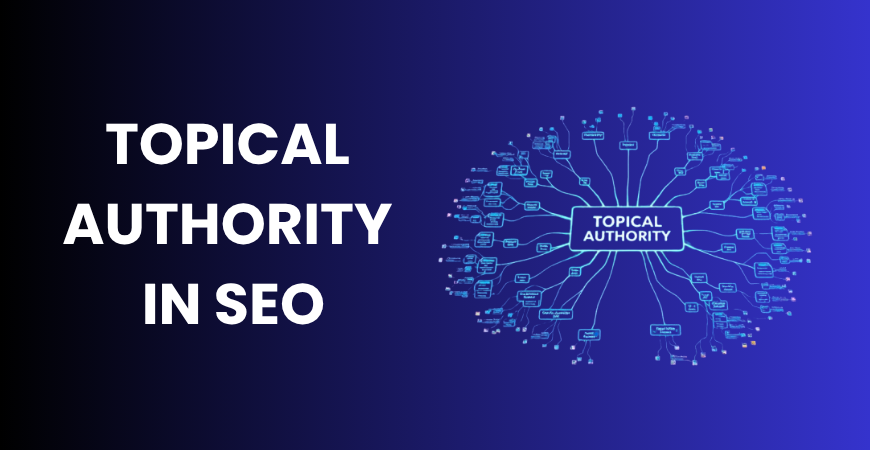
Topic Clusters
Publishing content around interconnected themes helps search engines recognize expertise. Instead of producing unrelated articles, businesses should develop content ecosystems around broader topics.
For example, an AI search cluster might include articles on AEO, conversational search, semantic optimization, and generative search.
This strategy strengthens topical authority and signals expertise to search engines and AI systems.
Structured Content
Well-organized content is easier for both users and machines to interpret. Clear headings, bullet points, comparison tables, and FAQs improve readability and accessibility.
Implementing schema markup can further enhance machine understanding by providing structured information about content types, FAQs, and articles.
Content Freshness
AI systems prioritize reliable and up-to-date information. Regularly updating content ensures that businesses maintain credibility and relevance over time.
How to Optimize Content for AI Search
Ranking in AI-powered search environments requires more than traditional keyword optimization. Answer engines prioritize content that is comprehensive, trustworthy, easy to understand, and capable of directly answering user questions. Businesses aiming to improve their visibility in AI-generated responses should focus on the following strategies.
1. Answer Questions Clearly and Directly
AI search platforms are designed to provide immediate answers. Content that addresses questions directly has a higher chance of being selected for AI-generated summaries.
Begin important sections with concise definitions or explanations before expanding on the topic in greater detail. This structure helps both users and answer engines understand the key takeaway quickly.
For example:
Question: What is Answer Engine Optimization?
Answer: Answer Engine Optimization is the practice of structuring content so AI-powered search platforms can understand, extract, and display information directly to users.
Providing straightforward answers improves readability and increases the likelihood of appearing in conversational search results.
2. Target Conversational Search Queries
People interact with AI platforms differently than traditional search engines. Instead of typing short keywords, users often ask complete questions.
Examples include:
- How do businesses rank in AI search?
- What are the best Answer Engine Optimization strategies?
- How can websites appear in ChatGPT responses?
- What factors influence AI search visibility?
Identifying these conversational queries allows businesses to create content that matches real user intent. Using question-based headings and FAQ sections can significantly improve discoverability.
3. Build Strong Topic Clusters
AI systems prefer websites that demonstrate expertise across an entire subject area rather than covering isolated topics.
Creating interconnected content clusters helps search engines understand relationships between pages and reinforces expertise.
For example, a content cluster around AI search might include:
- Answer Engine Optimization
- AI search optimization
- conversational search
- semantic SEO
- generative search
- structured data
- topical authority
This approach strengthens website relevance and improves long-term visibility.
4. Improve Content Structure and Readability
Well-structured content is easier for answer engines to process and summarize.
Businesses should:
- Use descriptive headings
- Break content into short paragraphs
- Include bullet points when appropriate
- Add comparison tables
- Incorporate FAQ sections
- Maintain logical content flow
Clear organization helps AI systems extract information accurately and present it in generated answers.
5. Implement Structured Data
Structured data provides additional context that helps search engines understand webpage content.
Some commonly used schema types include:
- FAQ Schema
- Article Schema
- Organization Schema
- Breadcrumb Schema
- Review Schema
Implementing schema markup allows search engines to interpret information more effectively, increasing the likelihood of being featured in AI-powered search experiences.
6. Strengthen Authority Signals
AI platforms often favor content from sources they perceive as credible and authoritative.
Businesses can improve authority by:
- Publishing expert-driven content
- Maintaining consistency within a niche
- Building topic-focused content clusters
- Updating existing articles regularly
- Supporting claims with reliable statistics and examples
This approach also contributes to stronger topical authority, helping search engines recognize a website as a trusted source of information.
7. Keep Content Fresh and Updated
AI systems prioritize recent and accurate information. Outdated articles may become less valuable over time, especially in fast-changing industries such as technology and digital marketing.
Regular updates should include:
- Current statistics
- Emerging trends
- New platform features
- Updated examples
- Recent industry developments
Refreshing content demonstrates reliability and improves the chances of maintaining visibility in evolving search environments.
8. Focus on User Experience
Ultimately, answer engines aim to satisfy user intent quickly and efficiently.
Content should therefore be:
- Easy to read
- Helpful and informative
- Well-organized
- Relevant to audience needs
- Written in natural language
Businesses that prioritize user experience while following best SEO practices are more likely to succeed as AI search continues to evolve.
Common Mistakes That Prevent Rankings in AI Search
Many businesses are still learning how to adapt to AI-powered search environments. As a result, they often make mistakes that limit visibility.
Focusing Only on Keywords
Keyword research remains important, but modern search increasingly values context and intent. Businesses should optimize around topics and user questions rather than repeating the same phrases.
Publishing Thin Content
Short articles with limited information rarely establish expertise. AI systems favor comprehensive content that answers multiple questions within a topic.
Ignoring Search Intent
Content that fails to satisfy user intent often struggles to perform, regardless of how well it is optimized.
Weak Internal Linking
Disconnected content reduces authority signals and makes it more difficult for search engines to understand topic relationships.
Outdated Information
AI platforms prefer recent and trustworthy information. Updating articles regularly helps maintain relevance and credibility.
How Digiad Solution Helps Businesses Prepare for AI Search
As AI-powered search continues to evolve, businesses need content strategies that go beyond traditional keyword optimization. At Digiad Solution, we focus on creating user-centric content, building topical relevance, implementing structured data, and developing scalable content frameworks designed for both search engines and AI-driven platforms.
From content planning and semantic optimization to technical improvements and authority building, our approach helps businesses improve their visibility across traditional search results as well as emerging AI search experiences. By adopting Answer Engine Optimization early, brands can position themselves for sustainable growth in an increasingly conversational search landscape.

Frequently Asked Questions
What is Answer Engine Optimization?
Answer Engine Optimization is the process of optimizing content so that AI-powered platforms can understand, reference, and display information directly to users.
Is AEO replacing SEO?
No. Answer Engine Optimization complements traditional SEO by expanding visibility opportunities into AI-powered search experiences.
How does AEO differ from SEO?
SEO focuses on rankings within search engines, while AEO focuses on appearing in AI-generated answers and conversational responses.
Does schema markup help AEO?
Yes. Structured data helps search engines and AI systems understand content more effectively, improving visibility opportunities.
Can small businesses benefit from AEO?
Absolutely. Smaller businesses can establish expertise within specific niches and increase their chances of being referenced by AI search platforms.
Conclusion
Answer Engine Optimization is reshaping the future of online visibility. As users increasingly rely on AI-powered platforms for information, businesses must adapt their content strategies to meet changing expectations. Creating question-focused, comprehensive, and user-friendly content can significantly improve the chances of appearing in AI-generated responses.
Brands that embrace AEO today will be better prepared for tomorrow’s search landscape. By combining conversational content, structured information, and authoritative resources, businesses can build lasting visibility and strengthen their presence across emerging AI-driven search experiences.