Introduction
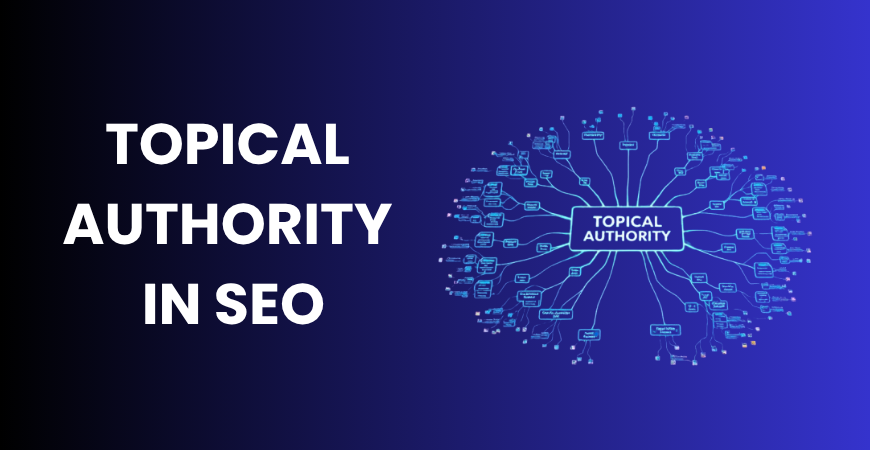
Topical authority in SEO has become one of the most important ranking factors in modern search engines. Instead of focusing on just individual keywords, Google now evaluates how deeply a website covers an entire subject. This shift has changed the way content is created, structured, and ranked.
In simple terms, topical authority means becoming a trusted source for a specific topic by covering it in depth through multiple interconnected articles. Websites that build strong authority around a niche tend to rank faster, stay longer in top positions, and attract more organic traffic.
For businesses like Digiad Solution and content-driven websites, understanding topical authority is essential to building long-term visibility. It is not just a strategy; it is a foundation for sustainable search growth.
What is Topical Authority in SEO?
Topical authority in SEO refers to the level of expertise and trust a website builds around a specific subject area. Instead of writing random blog posts on different topics, websites create structured content clusters that fully cover a niche.
For example, a website focused on digital marketing may build authority around:
- SEO
- Content marketing
- Social media marketing
- Paid advertising
When all these topics are covered in detail and connected properly, Google starts recognizing the website as an authority in that field.
At its core, topical authority is about depth over breadth. It is not about publishing more content; it is about publishing connected and meaningful content.
Key Characteristics of Topical Authority:
- Deep coverage of a niche
- Interlinked content structure
- Consistent publishing on related topics
- High-quality informational depth
- Semantic relevance across pages
Why Topical Authority Matters in Modern SEO
Search engines have evolved significantly. Earlier, ranking depended heavily on keyword usage. Today, algorithms focus more on understanding intent and context.
This is where topical authority becomes critical.
Websites that lack authority often struggle even if they use the right keywords. Meanwhile, authoritative websites rank easily even for competitive terms.
A study by industry SEO platforms shows that websites with strong topical clusters can achieve:
- 40–60% faster indexing
- Higher average ranking positions
- Better click-through rates
- Increased organic traffic stability
Modern SEO success is strongly influenced by topical authority in SEO, not just backlinks or keyword density.
To understand how SEO structure contributes to authority building, it is important to follow best SEO practices that ensure your content is organized, optimized, and internally connected.
How Google Understands Topical Authority
Google uses advanced algorithms and AI models to evaluate content relevance. Instead of reading pages in isolation, it analyzes how pages connect to each other.
Here’s how Google builds topical understanding:
1. Content Depth
Google checks whether a topic is covered in detail or just superficially.
2. Internal Linking
Strong internal linking signals help Google understand relationships between pages.
3. Semantic Relevance
Related terms, synonyms, and context help establish meaning.
4. Site Structure
A well-organized site with clear categories improves authority.
5. User Engagement
Metrics like time on page and bounce rate also influence trust signals.
In short, topical authority in SEO is built when Google sees your website as a complete knowledge source rather than scattered content pieces.
Pillar and Cluster Model: The Foundation of Authority
One of the most effective ways to build topical authority is using the pillar-cluster content model.
Pillar Content:
A broad, comprehensive page covering the main topic.
Cluster Content:
Supporting articles that go deeper into subtopics.
Example Structure:
| Pillar Page | Cluster Topics |
| SEO Guide | Keyword research, link building, technical SEO |
| Content Marketing | Blogging, strategy, optimization |
| Digital Marketing | Ads, analytics, social media |
This structure helps search engines understand topic hierarchy clearly.
A strong content ecosystem is often built using content marketing strategies that ensure every piece of content supports the main pillar page.
Step-by-Step Guide to Building Topical Authority in SEO
Developing topical authority requires a structured and consistent approach. Below is a step-by-step breakdown:
Step 1: Choose a Core Topic
Select a niche where you want to build authority. It should be specific but scalable.
Step 2: Create a Pillar Page
Develop a detailed guide covering the entire topic broadly.
Step 3: Build Cluster Content
Write multiple supporting blogs around subtopics.
Step 4: Interlink Everything
Connect all related pages to strengthen topic relevance.
Step 5: Optimize Content Regularly
Update older blogs to maintain freshness and accuracy.
Following successful blogging tips like consistency, keyword mapping, and audience targeting can significantly improve your authority-building process.
Role of Keywords in Topical Authority
Keywords are still important, but their role has changed. Instead of targeting isolated keywords, SEO now focuses on keyword clusters.
For example:
- Instead of targeting “SEO tips”
- You target a cluster including:
- SEO strategy
- SEO ranking factors
- keyword research
- content optimization
This cluster-based approach strengthens topical authority in SEO by showing depth of knowledge.
Modern SEO also depends on strategic implementation guided by Google ranking factors, which include relevance, content depth, and authority signals.
Internal Linking: The Backbone of Authority
Internal linking plays a major role in strengthening topical authority in SEO. It helps distribute link equity and creates a clear structure for search engines.
When pages are properly connected, Google can easily understand which content is most important.
A strong internal linking system:
- Improves crawlability
- Boosts page authority
- Enhances user experience
- Increases ranking potential
Without internal linking, even high-quality content may fail to perform well.
Content Depth vs Content Quantity
Many websites make the error of valuing quantity over quality. However, topical authority in SEO depends more on depth.
Comparison:
| Content Quantity | Content Depth |
| Many unrelated posts | Few deeply connected articles |
| Weak SEO signals | Strong authority signals |
| Low engagement | High user retention |
Depth always wins over volume in modern SEO.
SEO and AI: The Future of Topical Authority
Artificial intelligence is transforming search engines. Google’s AI-driven systems now focus on understanding intent and context more deeply.
This makes topical authority in SEO even more important.
With AI search systems like SGE and conversational engines, websites need to demonstrate:
- Clear topic expertise
- Structured content clusters
- Strong semantic relationships
Emerging concepts like Generative Engine Optimization are redefining how content is discovered and ranked in AI-powered search environments.
Common Mistakes That Affect Topical Authority
Many websites fail to gain authority due to avoidable mistakes:
1. Writing random topics
Publishing unrelated content confuses search engines about your site’s core niche and weakens topical relevance. This reduces your chances of building strong authority in any single subject area.
2. No internal linking
Without internal links, your pages stay isolated, and Google cannot understand how your content is connected. This limits crawl efficiency and weakens overall SEO structure.
3. Thin content
Short or surface-level content fails to fully answer user intent and does not build trust with readers or search engines. Such pages rarely rank well or sustain long-term visibility.
4. Ignoring updates
Outdated content loses relevance over time as search trends and algorithms evolve. Regular updates are necessary to maintain rankings and keep information accurate.
5. Multiple niche confusion
Covering too many unrelated topics makes it hard for Google to identify your website’s expertise area. This dilutes authority and prevents strong ranking signals from forming.
Avoiding these mistakes is essential for strengthening topical authority in SEO.
Case Insight: How Authority Improves Rankings
Websites that focus on topical authority often see:
- Higher rankings within 3–6 months
- Faster indexing of new pages
- Increased organic visibility
- Stronger domain trust
Even without massive backlink profiles, structured content can outperform larger websites.
Frequently Asked Questions:
1. How long does it take to build topical authority?
It usually takes 3–6 months depending on content consistency and niche competition.
2. Do backlinks still matter for topical authority?
Yes, but they work best when combined with strong internal content structure.
3. Can small websites build topical authority?
Yes, smaller websites often grow faster if they focus on niche-specific content.
4. Is keyword density still important?
Yes, but semantic relevance and topic depth are more important.
Conclusion
Topical authority in SEO is no longer optional; it is a core requirement for ranking success. Search engines now prioritize websites that demonstrate deep knowledge, structured content, and consistent topic coverage.
Instead of chasing individual keywords, businesses should focus on building complete topic ecosystems that establish long-term authority.
The future of SEO belongs to websites that understand topical authority and apply it strategically across their content structure.
For brands like Digiad Solution, this approach is not just about ranking higher; it is about building trust, visibility, and sustainable organic growth.