Introduction
An effective SEO audit checklist helps businesses identify hidden website problems that prevent higher rankings on Google. A website may have valuable content and quality products, but technical issues, poor optimization, or weak website structure can stop search engines from understanding and rewarding it.
Many businesses focus only on publishing new content while ignoring existing problems affecting their visibility. A complete SEO audit helps uncover ranking barriers, improve website performance, and create a clear action plan for sustainable organic growth.
What Is an SEO Audit?
An SEO audit is a detailed evaluation of a website’s technical health, content quality, search performance, and overall optimization. It helps identify issues that may be limiting rankings and provides recommendations to improve visibility in search results.
A complete SEO audit checklist reviews multiple areas, including:
- Website indexing and crawling
- Technical SEO performance
- On-page optimization
- Content quality
- Internal linking structure
- Backlink profile
- User experience
- Search intent alignment
- Structured data implementation
Unlike a simple website review, an SEO audit looks deeper into how search engines interact with your website. It identifies whether Google can properly access your pages, understand your content, and determine your website’s authority.
Regular audits are important because SEO is constantly changing. Search algorithm updates, competitor activity, and changing user behaviour can affect rankings over time. A website that performs well today may develop issues later if it is not monitored and improved.
SEO Audit Checklist: 10 Areas to Check for Ranking Issues
A complete SEO audit checklist should cover technical, content, and authority-related factors. Checking these areas helps businesses identify problems that may be reducing organic visibility.
1. Check Website Indexing and Crawlability
The first step in any SEO audit is checking whether search engines can properly discover and index your important pages.
If Google cannot access a page, that page cannot rank regardless of how valuable the content is. Indexing issues are often caused by technical mistakes such as incorrect robots.txt settings, noindex tags, sitemap errors, or blocked resources.
During your audit, check:
- Are important pages indexed?
- Are valuable pages accidentally blocked?
- Are there crawl errors in Google Search Console?
- Is the XML sitemap updated?
- Are unnecessary pages appearing in search results?
A clean website structure makes it easier for search engines to crawl and understand your content. Fixing indexing issues can often create immediate improvements because Google can properly access pages that were previously hidden.
2. Analyze Website Speed and Technical Performance
Website performance is a major part of modern SEO. Slow-loading pages create poor user experiences and may reduce engagement signals.
A technical SEO review should analyse:
- Page loading speed
- Core Web Vitals
- Mobile responsiveness
- HTTPS security
- Broken links
- Server performance
Common technical problems include large image files, unnecessary scripts, poor hosting, and outdated website components.
A faster website improves usability and allows visitors to access information more efficiently. Technical improvements should be included in every SEO audit checklist because website performance affects both rankings and conversions.
Businesses should regularly test important pages, especially landing pages and high-traffic articles, to ensure they continue delivering a smooth experience.
3. Review On-Page SEO Elements
On-page optimization helps search engines understand the purpose and relevance of each page.
During this stage of your audit, review:
- Title tags
- Meta descriptions
- Heading structure
- URL format
- Keyword placement
- Image optimization
- Content readability
For example, a page targeting a specific search query should clearly communicate its topic through the title, headings, and content structure.
Following best SEO practices ensures pages are optimized correctly without overusing keywords. Good on-page SEO focuses on making content clear, useful, and easy for both users and search engines to understand.
4. Evaluate Content Quality and Keyword Targeting
Content problems are among the biggest reasons websites struggle to rank. Publishing more articles does not always lead to better results if existing content lacks depth, relevance, or proper targeting.
A content audit should identify:
- Thin content
- Duplicate pages
- Outdated information
- Missing topics
- Keyword cannibalization
- Search intent mismatch
A strong SEO content strategy helps businesses create content that supports specific ranking goals. Instead of producing random articles, businesses can build topic-focused resources that answer user questions and strengthen website authority.
When reviewing content, ask:
- Does this page answer the user’s query completely?
- Is the information better than competing pages?
- Are related topics covered?
- Does the content provide real value?
Updating existing pages with better information, improved structure, and stronger relevance can often produce faster results than creating new content from scratch.
5. Check Internal Linking Structure
Internal links help search engines understand how pages on your website are connected. They also distribute authority from stronger pages to important pages that need more visibility.
A proper internal linking strategy should focus on creating meaningful connections between related topics.
During this part of your SEO audit checklist, review:
- Pages with no internal links
- Weak anchor text
- Important pages receiving fewer links
- Broken internal links
- Poor website navigation
For example, an article about SEO strategy should connect naturally with related topics such as content planning, technical optimization, and keyword research.
A strong internal linking system improves crawling, strengthens topical relationships, and helps users discover more useful information.
6. Analyze Backlink Profile and Website Authority
Backlinks remain an important factor because they indicate trust and authority. However, quality matters more than quantity.
A backlink audit should examine:
- Number of referring domains
- Quality of linking websites
- Spammy backlinks
- Lost backlinks
- Competitor backlink opportunities
A website with hundreds of irrelevant backlinks may perform worse than a website with fewer links from trusted industry sources.
Focus on earning natural, relevant backlinks through valuable content, partnerships, digital PR, and industry resources.
7. Review Keyword Rankings and Competitor Opportunities
Understanding current keyword performance helps identify where improvements are needed.
During keyword analysis, review:
- Keywords gaining positions
- Keywords losing rankings
- Pages ranking on page two
- Competitor keyword gaps
- New ranking opportunities
Sometimes small improvements can move a page from the second page of Google to the first page. Updating content, improving internal links, and strengthening relevance can help unlock additional traffic.
Competitor analysis also reveals topics your competitors rank for but your website does not cover.
8. Check Schema Markup and Structured Data
Search engines need context to understand website information. Structured data provides additional signals that explain what a page contains.
During this stage of your SEO audit checklist, review:
- Existing schema implementation
- Schema errors
- Missing structured data opportunities
- Rich result eligibility
Using schema markup in SEO helps search engines understand content types such as articles, businesses, products, reviews, and FAQs.
Common schema types include:
- Article Schema
- FAQ Schema
- Organization Schema
- Review Schema
- Breadcrumb Schema
Proper structured data implementation can improve search appearance and increase the chances of earning enhanced search results.
9. Evaluate User Experience Signals
Google prioritizes websites that provide helpful and satisfying experiences. A website that is difficult to navigate may struggle even if it has good content.
Review:
- Mobile usability
- Navigation structure
- Content readability
- Page engagement
- Conversion paths
- Intrusive pop-ups
A good user experience ensures visitors can quickly find information and complete desired actions.
Businesses should focus on creating websites that are easy to browse, visually clear, and helpful throughout the customer journey.
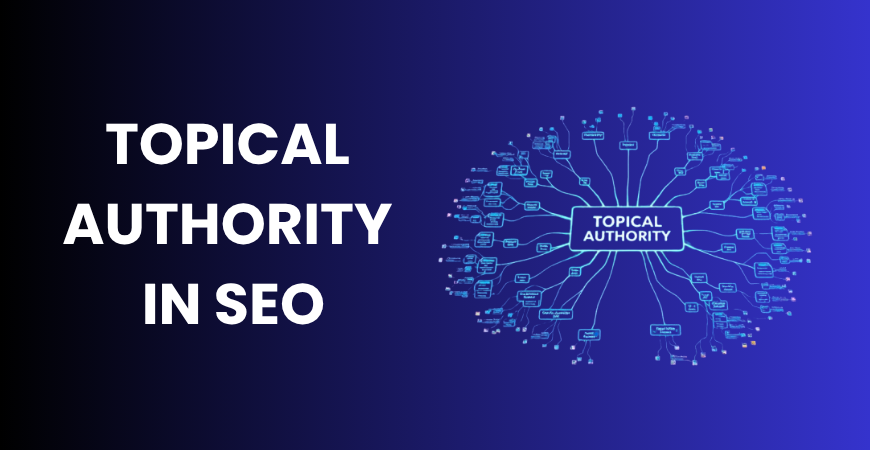
10. Check Semantic Relevance and Topical Coverage
Modern search engines understand meaning, relationships, and context rather than only matching keywords.
A website may struggle if it covers topics too narrowly or lacks supporting information around important subjects.
Review:
- Related topics covered
- Content depth
- Topic clusters
- Entity relationships
- Supporting pages
Implementing semantic SEO optimization helps search engines understand the broader meaning of your content and how different pages connect.
For example, a website covering SEO should not only discuss keywords but also include related topics such as content strategy, technical SEO, search intent, and user experience.
A stronger topical structure improves authority and increases ranking opportunities.
Common SEO Audit Mistakes Businesses Make
Even when businesses follow an SEO audit checklist, they often make mistakes that reduce the effectiveness of their efforts.
Only Focusing on Keywords
Keywords are important, but rankings depend on multiple factors, including technical health, content quality, authority, and user experience.
Auditing Once and Ignoring Updates
SEO is not a one-time activity. Websites need regular monitoring because new issues can appear over time.
Publishing New Content Without Fixing Existing Problems
Creating more blogs will not solve technical errors, poor website structure, or outdated content issues.
Ignoring User Experience
A website that ranks but fails to satisfy visitors will struggle to maintain performance.
Making Random Changes Without Strategy
SEO improvements should follow a structured approach based on data rather than assumptions.
How Frequently Should You Conduct an SEO Audit
The ideal frequency depends on your website size and industry.
| Website Type | Recommended Audit Frequency |
| Small Business Website | Every 3–6 months |
| Growing Business Website | Quarterly |
| Large Website or E-commerce Store | Monthly or Quarterly |
Regular audits help businesses identify problems early and maintain consistent search performance.
How Digiad Solution Helps Businesses Improve SEO Performance
At Digiad Solution, we help businesses identify and fix SEO issues through detailed website analysis and strategic optimization.
Our SEO process includes technical audits, content evaluation, keyword research, competitor analysis, internal linking improvements, and performance tracking. Instead of simply identifying problems, we focus on creating actionable strategies that improve rankings, traffic, and long-term visibility.
By combining technical expertise with content-driven SEO strategies, Digiad Solution helps businesses build stronger websites that perform better in competitive search environments.
Frequently Asked Questions
What is included in an SEO audit?
An SEO audit includes technical analysis, content review, keyword evaluation, backlink assessment, internal linking checks, and user experience analysis.
How long does an SEO audit take?
The duration depends on website size and complexity. Small websites may require a few days, while larger websites need a more detailed evaluation.
Can an SEO audit improve rankings?
An audit itself does not improve rankings, but identifying and fixing SEO issues can significantly improve website performance.
How often should businesses conduct an SEO audit?
Most businesses should conduct an audit every three to six months to identify new problems and opportunities.
What tools are used for SEO audits?
Common SEO audit tools include Google Search Console, Google Analytics, PageSpeed Insights, and professional SEO platforms.
Conclusion
A detailed SEO audit checklist helps businesses uncover technical, content, and optimization issues that prevent higher rankings on Google. By regularly reviewing website health, content quality, internal links, structured data, and topical relevance, businesses can create a stronger SEO foundation. A consistent audit and improvement process allows websites to attract more organic traffic, improve visibility, and achieve sustainable growth with the right SEO strategy.