Introduction
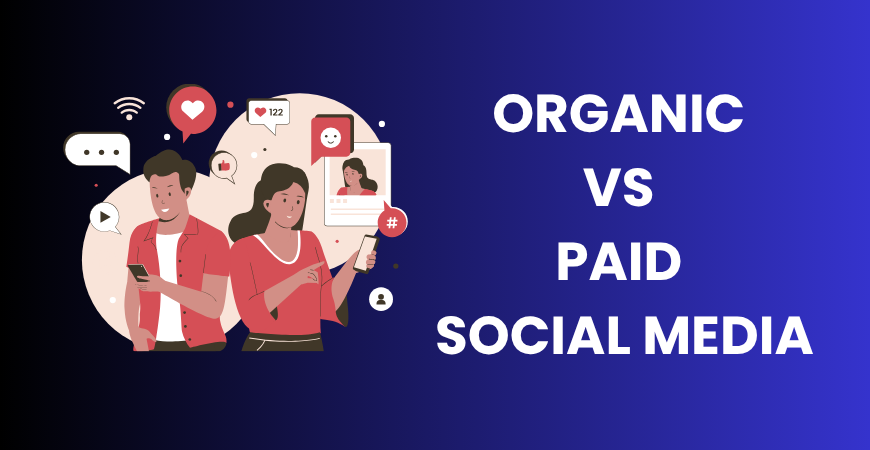
Organic vs paid social media is a common decision for businesses looking to grow online. Both approaches can improve visibility, engagement, and customer acquisition, but they work differently.
Organic social media focuses on building an audience through consistent content and interaction. Paid social media leverages advertising to connect with specific audiences more quickly. The right choice depends on your goals, budget, audience, and timeline.
What Is Organic Social Media?
Organic social media refers to content and interactions that do not involve direct advertising spend. This includes regular posts, Reels, Stories, videos, polls, and community engagement.
For example, a local salon might share styling tips, customer questions, and behind-the-scenes content. Useful and consistent content can gradually build familiarity and trust.
Organic growth depends on:
- Content quality and relevance
- Posting consistency
- Audience engagement
- Brand personality
- Understanding audience interests
A strong social media content strategy helps businesses plan what to publish, who to target, and what each piece of content should achieve.
What Is Paid Social Media?
Paid social media involves paying to display advertisements to selected audiences on social platforms. Campaigns can focus on goals such as awareness, website traffic, lead generation, or conversions.
Common examples include:
- Sponsored posts
- Video advertisements
- Lead generation ads
- Website traffic campaigns
- Product promotions
- Retargeting campaigns
Paid campaigns provide greater control over audience targeting and can help businesses reach potential customers faster.
Organic vs Paid Social Media: Key Differences
| Factor | Organic Social Media | Paid Social Media |
| Direct cost | No ad spend | Requires ad budget |
| Reach | Depends on content and platform distribution | Can expand reach through targeting |
| Speed | Usually slower | Usually faster |
| Targeting | More limited | More advanced |
| Engagement | Useful for community building | Useful for campaign engagement |
| Brand building | Strong for long-term presence | Supports awareness campaigns |
| Lead generation | Usually develops gradually | Can generate targeted leads |
| Long-term value | Content can continue attracting attention | Usually depends on continued spending |
Neither approach is automatically better. Their effectiveness depends on the business objective.
Organic vs Paid Social Media: Which Is Better for Growth?
There is no single winner when comparing organic vs paid social media. Each approach addresses different marketing needs.
Choose Organic Social Media When You Want To:
- Build brand awareness
- Develop audience trust
- Create a community
- Encourage long-term engagement
- Maintain a consistent brand presence
Organic social media is particularly useful when the priority is building relationships and establishing a recognizable brand.
Choose Paid Social Media When You Want To:
- Reach new audiences faster
- Generate targeted traffic
- Promote products or offers
- Generate leads
- Support conversion-focused campaigns
When faster reach or specific campaign outcomes are important, social media advertising can complement your organic efforts.
So, Which Works Best?
For long-term brand building, organic social media is generally more suitable.
And for faster reach, targeted campaigns, and measurable acquisition goals, paid social media is generally more suitable.
For many businesses, the best approach is to combine both. Organic content builds trust and engagement, while paid campaigns can expand reach and support specific business objectives.
Your overall social media marketing strategy should determine how the two approaches work together.
Which Is More Cost-Effective?
Organic social media has no direct advertising cost, but it still requires time and resources for planning, content creation, publishing, and engagement.
Paid social media requires an advertising budget, but spending more does not automatically guarantee better results. Targeting, creative quality, campaign objectives, offers, landing pages, and optimization all influence performance.
Therefore, businesses should evaluate cost against outcomes rather than simply asking which option is cheaper.
How to Combine Organic and Paid Social Media
1. Build Your Organic Presence
Create useful content that explains your brand, products, services, or expertise. A strong organic presence also gives visitors more context when they discover you through ads.
2. Use Paid Ads to Expand Reach
Use paid campaigns to promote important offers, products, content, or lead-generation campaigns. Not every organic post needs to be promoted.
3. Retarget Engaged Users
People who have already interacted with your content or website may be familiar with your brand. Retargeting can help reconnect with these audiences.
4. Let Organic Content Support Paid Campaigns
Someone who discovers your business through an advertisement may visit your social profile before taking action. Useful and consistent content can help reinforce credibility.
5. Measure Both Strategies
Track metrics such as:
- Reach
- Engagement
- Website traffic
- Leads
- Conversions
- Cost per lead
- Return on advertising spend
A strong social media engagement strategy can help businesses understand whether audiences are actively interacting with content rather than simply viewing it.
Similarly, social media analytics can help identify which content and campaigns are contributing to useful results.
Frequently Asked Questions
Is organic or paid social media better for business growth?
Organic social media is better suited to long-term brand building and audience relationships, while paid social media is useful for faster reach and targeted campaigns. Many businesses benefit from using both.
Is organic social media free?
It does not involve direct advertising costs, but businesses still invest time and resources in content creation, publishing, engagement, and management.
Is paid social media worth it for small businesses?
It can be useful when campaigns have clear objectives, suitable targeting, relevant creative, and a manageable budget. Performance ought to be evaluated based on business outcomes that truly matter.
Can organic and paid social media be used together?
Yes. Businesses can use organic content to build their presence while paid campaigns expand reach, promote offers, generate leads, or reconnect with relevant audiences.
Which is better for generating leads?
Paid social media offers greater control over targeting and campaign objectives, making it useful for lead generation. Organic content can support this by building trust and demonstrating expertise.
Need Help With Your Social Media Marketing?
Choosing between organic and paid social media can be challenging. Digiad Solution can help businesses build social media strategies based on their goals, audience, content needs, and growth objectives.
From strengthening organic presence and improving engagement to supporting paid campaigns and tracking performance, Digiad Solution can be considered by businesses looking for digital marketing support tailored to their needs.
Conclusion
Organic vs paid social media is not necessarily an either-or decision. Organic social media helps build trust, engagement, and long-term brand presence, while paid social media can provide faster reach and support targeted marketing goals. For many businesses, combining both creates a balanced approach. The right mix ultimately depends on your objectives, audience, resources, and timeline.