Introduction
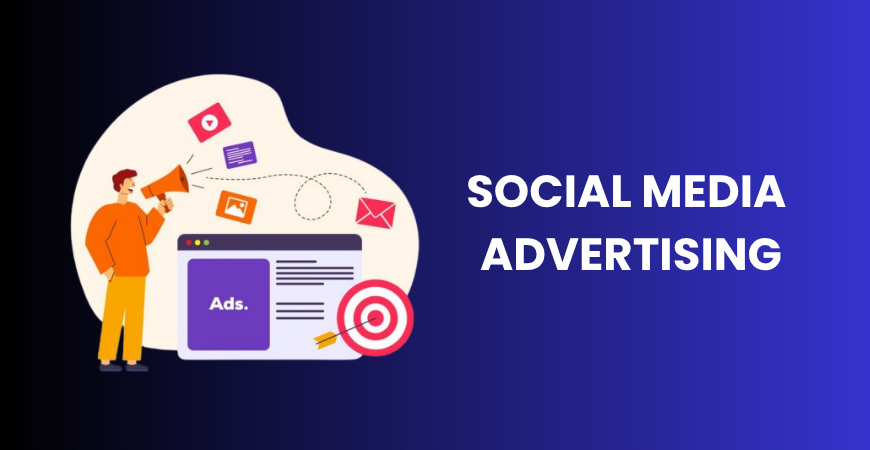
Have you ever wondered how businesses reach specific people with ads while you are scrolling through social media? Social media advertising allows businesses to promote their products and services to targeted audiences instead of depending only on organic reach.
From choosing an objective and audience to setting a budget and tracking results, paid social campaigns follow a structured process. Understanding this process helps businesses use their advertising budget more effectively and turn social media activity into measurable growth.
What Is Social Media Advertising?
Social media advertising is paid promotion on platforms such as Facebook, Instagram, LinkedIn, YouTube, and Snapchat. Businesses pay to display ads to selected audiences based on factors such as location, demographics, interests, behaviors, and previous interactions.
Campaigns can be created for different goals, including:
- Brand awareness
- Website traffic
- Engagement
- Lead generation
- Sales and conversions
Unlike organic posts, paid ads provide greater control over who sees the content, how much is spent, and what action the audience is encouraged to take.
How Social Media Advertising Works
The process usually involves six key steps.
1. Set the Campaign Objective
Start by deciding what the campaign should achieve. This could be increasing awareness, generating website traffic, collecting leads, or driving sales.
A clear objective also makes it easier to determine whether the campaign is successful.
2. Define the Target Audience
Businesses can target users based on factors such as:
- Location
- Age and demographics
- Interests
- Behaviors
- Website activity
- Previous interactions
For example, a local gym can target people within a specific area who are interested in fitness. The goal is not to reach everyone but to reach people who are more likely to become customers.
3. Choose the Ad Format
Common formats include:
- Image ads
- Video ads
- Carousel ads
- Stories and Reels
- Lead-form ads
The format should match the campaign objective. A product brand may use carousel ads to showcase multiple products, while a service business may use a lead-form ad to collect inquiries.
4. Set the Budget and Schedule
Businesses can generally choose between daily and lifetime budgets and decide how long a campaign should run.
Starting with a controlled budget allows businesses to collect performance data before increasing their spending. A larger budget does not automatically mean better results; targeting, creative quality, and campaign optimization also matter.
5. Create and Launch the Ad
An effective ad combines a relevant visual, clear message, strong offer, and suitable call to action. The landing page needs to align with the advertisement as well.
For example, if an ad promotes a free consultation, the landing page should make it easy for users to understand the offer and submit an inquiry.
Businesses can also use AI in advertising for tasks such as generating creative ideas, testing copy variations, and identifying optimization opportunities.
6. Track and Optimize Performance
After launching a campaign, businesses need to monitor its results. They can test different audiences, creatives, messages, and offers to identify what performs best.
If an ad receives plenty of impressions but few clicks, the creative or message may need improvement. If it generates clicks but no leads, the landing page or offer may be the problem.
This ongoing testing and optimization is essential for improving campaign performance.
Popular Social Media Advertising Platforms
Each platform offers different opportunities, so businesses should choose based on where their target audience is active.
| Platform | Best For |
| Broad targeting, local businesses, lead generation | |
| Visual brands, products, lifestyle businesses | |
| B2B and professional services | |
| YouTube | Video advertising and brand awareness |
| Snapchat | Younger audiences and mobile-first campaigns |
For businesses advertising on Facebook, a Facebook advertising guide can provide additional guidance on campaign setup, targeting, and optimization.
How Social Media Advertising Helps Business Growth
Reaches the Right Audience
Targeting allows businesses to show advertisements to users who are more likely to be interested in their products or services. This is particularly useful for local businesses that only serve specific locations.
Generates Leads and Sales
Paid campaigns can send users to websites, landing pages, product pages, lead forms, or contact channels. When the offer and targeting are relevant, advertising can become a consistent source of potential customers.
Builds Brand Awareness
Not every user is ready to buy immediately. Paid campaigns can introduce a business to relevant audiences and increase brand familiarity over time.
Supports Faster Growth
Organic reach can fluctuate, while paid campaigns provide businesses with greater control over their reach and traffic. When properly managed, advertising can complement a broader performance marketing guide and support measurable business objectives.
Key Metrics to Measure
Businesses should focus on metrics that show whether campaigns are producing meaningful results.
| Metric | What It Measures |
| Reach | Unique users who saw the ad |
| Impressions | Total times the ad was displayed |
| CTR | Percentage of users who clicked |
| CPC | Cost per click |
| CPL | Cost per lead |
| Conversion Rate | Percentage completing the desired action |
| ROAS | Revenue compared with ad spend |
Conversion tracking is particularly important when businesses want to connect ad interactions with actions such as purchases, form submissions, or bookings.
For campaigns focused on revenue, measuring social media ROI can also help businesses understand whether their advertising investment is generating worthwhile returns.
Frequently Asked Questions
What is social media advertising?
It is paid promotion on social platforms that helps businesses reach targeted audiences and achieve goals such as awareness, traffic, leads, or sales.
How does it work?
Businesses select an objective, target an audience, choose an ad format, set a budget, launch the campaign, and optimize it using performance data.
How much does it cost?
There is no fixed cost. Spending depends on the platform, audience, competition, campaign objective, and budget.
Is it effective for small businesses?
Yes. Small businesses can use targeted campaigns to reach specific local or niche audiences without needing a large advertising budget.
Need Help With Social Media Advertising?
Successful paid campaigns require more than simply creating an ad. Audience targeting, creative strategy, campaign management, conversion tracking, and optimization all influence results.
Digiad Solution helps businesses develop performance-focused digital marketing campaigns designed around measurable objectives. By combining strategy, targeted advertising, tracking, and optimization, businesses can use paid social campaigns to build visibility, generate leads, and support sustainable growth.
Conclusion
Social media advertising combines the right objective, audience, platform, creative, budget, and optimization process to help businesses reach potential customers more effectively. When campaigns are properly targeted and measured, paid social can increase visibility, generate leads, drive conversions, and contribute to measurable business growth.