Introduction
Have you ever wondered why one social media post performs exceptionally well while another barely gets noticed? The answer often lies in social media analytics. Instead of relying on guesswork, businesses can use data to understand what their audience likes, when they are most active, and which content encourages meaningful engagement.
Whether you’re a small business or an established brand, tracking the right metrics helps you make smarter marketing decisions. In this guide, you’ll learn what it is, why it matters, and how it supports long-term business growth.
What Is Social Media Analytics?
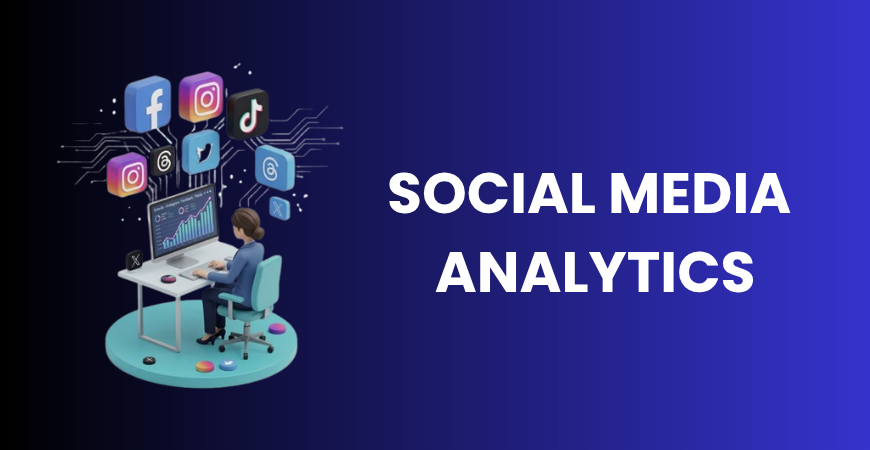
Social media analytics is the process of collecting, measuring, and analyzing data from social media platforms to evaluate the performance of your content and marketing efforts. It helps businesses understand what is working, what needs improvement, and how users interact with their brand online.
Unlike simply checking likes or follower counts, it focuses on meaningful performance indicators such as reach, engagement, website clicks, audience growth, conversions, and customer behavior. These insights help businesses make informed decisions instead of relying on assumptions.
It’s also important to understand the difference between analytics and reporting:
| Analytics | Reporting |
| Interprets data to find insights | Displays raw numbers and metrics |
| Explains why something happened | Shows what happened |
| Supports better decision-making | Summarizes performance |
For example, a report may show that a post received 5,000 views. Analytics goes a step further by explaining why it performed well and how you can replicate that success in future campaigns.
Why Social Media Analytics Is Important for Business Growth
Creating content without measuring its performance is like running a business without reviewing sales. Analytics provides the insights needed to improve every stage of your marketing efforts.
Understand Your Audience Better
Analytics reveals who interacts with your content, when they’re most active, and which topics attract the most attention. These insights help businesses create more relevant content for the right audience.
A well-planned digital marketing strategy becomes much more effective when it is supported by real audience data instead of assumptions.
Improve Content Performance
Not every post delivers the same results. Social media analytics helps identify which content generates the highest engagement, website traffic, or conversions. Businesses can then use these insights to refine their social media content strategy and focus on content formats that consistently perform well.
Make Better Marketing Decisions
Analytics removes the guesswork from social media marketing. Instead of posting randomly, businesses can decide which platforms deserve more attention, what posting times work best, and which campaigns deliver the highest return.
Increase Return on Investment
Every marketing effort should contribute toward business goals. By tracking key metrics regularly, businesses can invest more in successful campaigns and avoid spending time or budget on strategies that produce little value.
How Social Media Analytics Supports Business Growth
Social media analytics does much more than measure performance—it helps businesses make better decisions that lead to sustainable growth.
Helps Build Better Marketing Strategies
Successful marketing evolves over time. By reviewing performance data regularly, businesses can understand which campaigns, content types, and platforms produce the best results. These insights make it easier to refine a social media marketing strategy and allocate resources more effectively.
Improves Customer Engagement
Analytics highlights how audiences interact with your content through comments, shares, saves, and other engagement signals. Businesses can use this information to strengthen their social media engagement strategy, creating content that encourages conversations and builds stronger relationships with customers.
Supports Smarter Business Decisions
Instead of relying on assumptions, businesses can use data to guide important decisions such as launching new campaigns, testing content formats, or targeting different audience segments. This reduces risk and improves marketing efficiency.
Identifies New Growth Opportunities
Analytics often reveals trends that businesses might otherwise overlook. A particular content format, audience segment, or posting schedule may consistently perform better than expected. Recognizing these patterns allows brands to capitalize on opportunities before competitors do.
Connects Marketing with Business Results
The ultimate goal of social media is not simply generating likes—it is supporting business growth. By tracking metrics such as website visits, lead generation, and sales, businesses can clearly see how their social media activities contribute to overall success.
Key Social Media Metrics Every Business Should Track
Not every metric contributes equally to business growth. While likes and followers are useful indicators, they rarely tell the complete story. Businesses should focus on metrics that reflect audience behavior and marketing performance.
| Metric | What It Measures | Why It Matters |
| Reach | Unique users who saw your content | Measures brand visibility |
| Impressions | Total number of content views | Indicates overall exposure |
| Engagement Rate | Likes, comments, shares, saves | Shows how well content resonates |
| Click-Through Rate (CTR) | Percentage of users who clicked a link | Measures interest and website traffic |
| Conversion Rate | Users who completed a desired action | Connects social media with business goals |
| Audience Growth | Increase in followers over time | Reflects long-term community growth |
| Video Performance | Watch time and retention | Evaluates video content effectiveness |
Reach and Impressions
Reach measures the number of individual users who saw your content, whereas impressions reflect the total number of times it appeared on screen. Monitoring both helps businesses understand how effectively their content is being distributed.
Engagement Rate
Engagement includes likes, comments, shares, and saves. A high engagement rate usually indicates that your content is relevant and valuable to your audience, making it one of the most important metrics to monitor.
Click-Through Rate (CTR)
CTR measures how many users click your links after seeing your content. A strong CTR suggests that your posts encourage users to take the next step, such as visiting your website or landing page.
Conversion Rate
Conversions measure actions like form submissions, purchases, newsletter sign-ups, or demo requests. Effective conversion tracking helps businesses understand whether their social media efforts are contributing to real business outcomes.
Audience Growth
A steadily growing audience often reflects consistent content quality and effective community building. Instead of chasing follower numbers, focus on attracting people who genuinely engage with your brand.
Video Performance
Video metrics such as watch time, audience retention, and completion rate reveal how long viewers stay engaged. These insights help improve future video content and identify formats that perform best.
Turning Analytics into Action
Collecting data is only valuable if you use it to improve future performance. Analytics should guide every major marketing decision.
Start by reviewing your analytics regularly to identify trends instead of focusing on individual posts. Look for content that consistently generates strong engagement, website traffic, or conversions, then create more content around similar topics and formats.
Businesses should also experiment with different posting times, captions, visuals, and content types. Comparing the results helps identify what resonates most with the audience.
Many marketers also use AI in advertising to analyze audience behavior, identify emerging trends, and recommend content improvements more efficiently. Combining these insights with a performance marketing guide helps businesses focus on metrics that directly support leads, sales, and long-term growth.
Platform-Specific Analytics That Matter
Although the goal of social media analytics remains the same, each platform provides different insights.
Monitor:
- Reach
- Reels views
- Saves
- Profile visits
- Engagement rate
These metrics help identify the content formats that attract the most attention and encourage repeat interactions.
Focus on:
- Page reach
- Post engagement
- Link clicks
- Audience demographics
Businesses running campaigns can combine these insights with a Facebook Advertising guide to improve audience targeting and campaign performance.
Track:
- Post impressions
- Engagement rate
- Follower growth
- Profile visits
These metrics help businesses evaluate thought leadership and professional audience engagement.
YouTube
Key metrics include:
- Watch time
- Audience retention
- Click-through rate
- Subscriber growth
These insights help creators understand which videos keep viewers engaged and encourage longer viewing sessions.
By monitoring platform-specific analytics alongside your overall marketing goals, businesses can make smarter decisions, optimize content, and achieve more consistent results.
Best Practices for Using Analytics
To get the most value from analytics:
- Set clear business goals before tracking performance.
- Monitor key metrics consistently instead of checking data occasionally.
- Compare performance over time rather than judging individual posts.
- Test different content formats, posting times, and messaging.
- Review analytics monthly and refine your strategy based on the results.
Following these practices helps businesses make informed decisions and improve performance consistently.

Integrating Analytics with Other Marketing Channels
Social media analytics becomes even more valuable when combined with insights from other digital marketing channels.
For example, businesses can compare social media performance with website analytics to understand how visitors behave after clicking a post. Combining social insights with the benefits of email marketing also helps nurture engaged audiences through newsletters and targeted campaigns.
Similarly, tracking paid campaigns alongside organic performance provides a clearer picture of overall marketing effectiveness. This integrated approach helps businesses make better decisions across every marketing channel.
Frequently Asked Questions
What is social media analytics?
Social media analytics is the process of collecting and analyzing data from social media platforms to measure performance and improve marketing decisions.
Which social media metrics are most important?
Reach, engagement rate, click-through rate, conversion rate, audience growth, and video retention are among the most valuable metrics for businesses.
How often should businesses review analytics?
Review key metrics weekly and conduct a detailed performance analysis every month to identify trends and opportunities.
Can small businesses benefit from social media analytics?
Yes. Even simple analytics can help small businesses understand their audience, improve content, and generate better marketing results.
Is social media analytics only useful for paid campaigns?
No. It is equally valuable for organic content because it helps businesses understand audience behavior and optimize future posts.
Need Help Turning Social Media Data into Business Growth?
Understanding reports is one thing—using them to improve results is another. Many businesses collect social media data but struggle to identify which insights actually drive growth.
At Digiad Solution, we help businesses transform social media analytics into practical marketing strategies. From performance tracking and audience analysis to campaign optimization and reporting, our team focuses on helping brands make data-driven decisions that improve engagement, generate leads, and support long-term business growth.
Conclusion
Social media analytics helps businesses move beyond guesswork by revealing what works, what doesn’t, and where new opportunities exist. By tracking the right metrics, understanding audience behavior, and continuously optimizing campaigns, businesses can make smarter decisions that support sustainable growth. When used consistently, analytics becomes a valuable tool for improving marketing performance and achieving better business results.