
Introduction
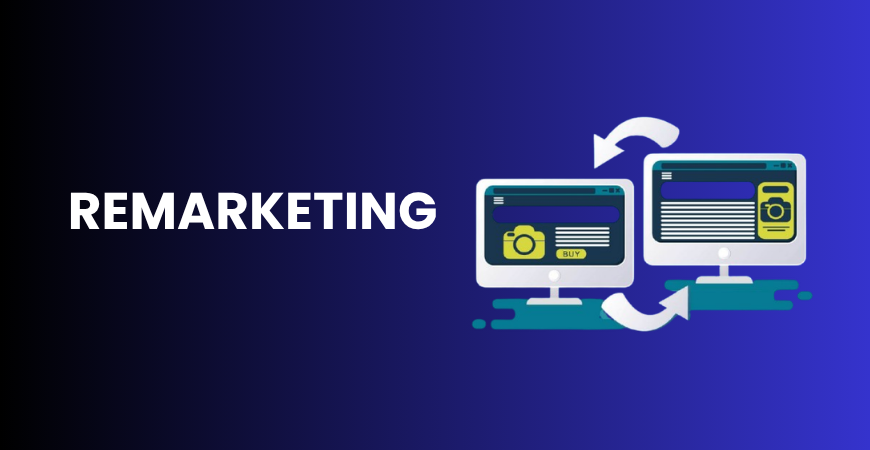
Have you ever visited a website and later seen ads for the same brand while browsing online? That’s remarketing in action. Instead of targeting new audiences, it reconnects with people who have already shown interest in your business, helping increase the chances of conversion.
Most visitors don’t convert on their first visit. They may compare options or simply need more time before making a decision. By showing relevant ads later, businesses can stay visible and encourage users to return and complete the desired action.
What Is Remarketing?
Remarketing is a digital advertising strategy that targets users who have previously interacted with your website, mobile app, or online content but did not complete a desired action. Instead of advertising to a completely new audience, it focuses on re-engaging people who are already familiar with your brand.
These users may have visited a product page, added items to their cart, filled out part of a contact form, or simply browsed your services before leaving. Since they have already expressed interest, they are generally more likely to convert than first-time visitors.
This approach is widely used across platforms such as Google Ads, Facebook, Instagram, LinkedIn, and YouTube. It also plays an important role in a broader performance marketing guide because it focuses on measurable outcomes like leads, purchases, and conversions rather than simply increasing impressions.
How Remarketing Works
The process follows a series of simple steps that help businesses reconnect with interested visitors after they leave a website.
Step 1: A User Visits Your Website
Everything begins when someone visits your website through search engines, social media, paid advertisements, or direct traffic.
For example, a visitor may:
- Browse a service page
- View a product
- Read a blog
- Add items to a shopping cart
- Leave without taking action
Since most visitors don’t convert immediately, businesses need an effective way to bring them back.
Step 2: A Tracking Pixel or Cookie Collects Data
When users visit your website, a small tracking code, browser cookie, or pixel anonymously records their visit.
This information helps advertisers build audience lists based on user behavior without collecting personal information directly. Visitors can then be grouped according to the pages they viewed or the actions they completed.
Step 3: Building Audience Lists
Not every visitor behaves the same way, so businesses create separate audience segments to deliver more relevant advertisements.
Common audience segments include:
- Homepage visitors
- Product or service page visitors
- Cart abandoners
- Existing customers
- Lead form visitors
- Blog readers
Segmenting users allows advertisers to display personalized advertisements instead of showing identical messages to every visitor.
Step 4: Showing Personalized Ads
Once audience lists are created, advertisements begin appearing across multiple digital platforms.
These ads may appear on:
- Google Display Network
- Google Search
- YouTube
- Partner websites
Businesses running a Google Ads search campaign can also use Remarketing Lists for Search Ads (RLSA), allowing them to display customized search advertisements to previous website visitors.
Step 5: Returning Visitors Complete the Desired Action
As users continue seeing relevant advertisements, they are more likely to revisit the website and complete an action they previously postponed.
These actions may include:
- Making a purchase
- Filling out a contact form
- Booking an appointment
- Downloading a resource
- Requesting a quotation
Businesses rely on conversion tracking to measure these actions, helping them identify which campaigns produce the strongest results and where additional optimization is required.
Types of Remarketing
Different marketing objectives require different approaches. Choosing the right type depends on your audience, products, and campaign goals.
| Type | Best For | Example |
| Standard | Brand recall | Display ads for previous visitors |
| Dynamic | E-commerce | Showing products users previously viewed |
| Search Remarketing (RLSA) | High-intent users | Customized Google Search ads |
| Video Remarketing | Brand awareness | YouTube ads for previous viewers |
| Social Media Remarketing | Audience engagement | Facebook and Instagram ads |
| Email Remarketing | Existing subscribers | Follow-up promotional emails |
Many businesses combine several of these methods to improve campaign performance and reach users across multiple touchpoints.
Why Remarketing Increases Conversions
Reaches Warm Audiences
Unlike traditional advertising that targets completely new users, this strategy focuses on people who have already interacted with your business. Since these visitors already recognize your brand, they are generally more likely to engage and convert.
Improves Brand Recall
Customers rarely make purchasing decisions after a single visit. Repeated exposure across websites, search engines, and social media helps keep your business fresh in their minds, making them more likely to remember your brand when they are ready to buy.
Encourages Return Visits
Many visitors leave without completing a purchase or submitting an inquiry. Follow-up advertisements act as timely reminders, encouraging them to return and continue where they left off rather than moving to a competitor.
Delivers More Personalized Advertising
Campaigns can display different advertisements based on a user’s previous activity.
For example:
- Someone who viewed a particular product can see advertisements featuring that product.
- A visitor who explored your pricing page may receive advertisements highlighting your services.
- Existing customers can be shown complementary products or additional services.
This personalized approach usually performs much better than showing generic advertisements to every visitor.
Reduces Customer Acquisition Costs
Acquiring completely new customers often costs significantly more than re-engaging people who already know your brand. Since these campaigns target interested users, businesses can often achieve better results while lowering their overall cost per acquisition.
Increases Conversion Rates
Repeated exposure, relevant messaging, and better audience segmentation work together to encourage users to complete actions they previously postponed. Businesses frequently combine this strategy with pay-per-click advertising and paid social campaigns discussed in the Facebook advertising guide to build a complete advertising strategy that reaches potential customers throughout the buying journey.
Remarketing vs Retargeting
These two terms are often used interchangeably because both focus on reconnecting with users who have previously interacted with a business. However, there is a slight difference in how marketers define them.
| Remarketing | Retargeting |
| Can include email campaigns and paid advertising | Primarily refers to paid advertisements shown to previous website visitors |
| Focuses on re-engaging existing audiences | Focuses on displaying ads based on previous website activity |
| Broader customer re-engagement strategy | More specific advertising technique |
In practice, most advertising platforms use these terms interchangeably, and both approaches help businesses bring interested users back to their websites and improve conversion rates.
Best Practices for Successful Campaigns
Segment Your Audience
Not every visitor has the same intent. Create separate audience lists for product viewers, cart abandoners, blog readers, and existing customers so that each group receives relevant advertisements.
Personalize Your Ads
Use messaging that reflects a visitor’s previous interaction with your website. Personalized advertisements generally receive higher engagement than generic promotional messages.
Set Frequency Limits
Showing the same advertisement too frequently can lead to ad fatigue. Limiting the number of times users see your ads helps maintain a positive brand experience.
Exclude Converted Users
Once someone completes the desired action, remove them from the current campaign or move them into another audience list. This prevents unnecessary advertising spend and improves campaign efficiency.
Optimize Landing Pages
Advertisements should lead users to landing pages that match the message in the ad. A consistent experience builds trust and increases the likelihood of conversions.
Monitor Campaign Performance
Review important metrics such as click-through rate, conversion rate, cost per acquisition, and return on ad spend regularly. Continuous analysis helps improve campaign performance over time.
How Expert PPC Management Improves Results
Launching campaigns is only the beginning. Consistent monitoring, audience refinement, and ongoing optimization are essential for achieving stronger returns on advertising investment.
Audience Strategy
Creating well-defined audience segments ensures users receive advertisements that match their interests and previous interactions.
Campaign Setup
A properly structured campaign helps businesses reach the right audience across Google, Facebook, Instagram, and other advertising platforms while improving overall efficiency.
Creative Optimization
Testing different headlines, visuals, and calls to action keeps advertisements engaging and improves click-through rates over time.
Conversion Tracking
Accurate conversion tracking helps businesses identify which audience segments and advertisements generate the highest number of leads and sales.
Budget Optimization
Regular bid adjustments and smarter budget allocation reduce wasted spending while maximizing return on investment.
Performance Reporting
Detailed reports help businesses understand campaign performance, identify improvement opportunities, and make data-driven marketing decisions.
At Digiad Solution, we create data-driven campaigns that reconnect businesses with interested audiences, improve conversion rates, and maximize advertising ROI through continuous optimization, strategic audience targeting, and ongoing performance analysis.
Frequently Asked Questions
What is remarketing in digital marketing?
It is a digital advertising strategy that targets users who have previously visited your website or interacted with your business, encouraging them to return and complete a desired action.
How does this strategy increase conversions?
It focuses on users who have already shown interest in your products or services. Repeated exposure through relevant advertisements keeps your brand visible and encourages visitors to return, making them more likely to convert.
Is this strategy different from retargeting?
The two terms are often used interchangeably. While some marketers consider remarketing a broader strategy that includes email campaigns, retargeting usually refers specifically to paid advertisements shown to previous website visitors.
Which platforms support these campaigns?
Popular platforms include Google Ads, Facebook, Instagram, LinkedIn, YouTube, and other advertising networks that allow businesses to reconnect with previous visitors.
Is it suitable for small businesses?
Yes. Since it targets users who are already familiar with your business, this approach is often more cost-effective than advertising solely to new audiences, making it suitable for businesses of all sizes.
Conclusion
Remarketing is one of the most effective ways to reconnect with potential customers who have already shown interest in your business. By targeting warm audiences with personalized advertisements, businesses can improve brand recall, encourage return visits, and increase conversions while making better use of their advertising budget. With the right strategy, continuous optimization, and expert support from Digiad Solution, businesses can turn previous visitors into loyal customers and achieve sustainable long-term growth.


