Introduction
Publishing articles around individual keywords without a clear plan can lead to disconnected content, overlapping topics, and missed search opportunities. Topic clusters help solve this problem by organizing related content around a central subject and connecting pages through relevant internal links.
This approach brings keyword research, search intent, content planning, and website structure together. Instead of creating articles simply to target more keywords, you build a useful content library that helps readers explore a subject in depth.
What Are Topic Clusters in SEO?
Topic clusters are groups of related web pages organized around one main subject. They typically contain three elements:
- Pillar page: A comprehensive guide covering the main topic.
- Supporting content: Articles that explain specific subtopics or answer related questions.
- Internal links: Connections that help readers navigate between relevant pages.
For example, a digital marketing website might have a main guide to SEO planning, supported by articles about keyword research, competitor analysis, content optimization, and performance tracking.
This structure helps businesses organize information and build a more coherent SEO strategy. However, topic clusters are a content-planning method, not a ranking factor that guarantees better positions.
How Topic Clusters Turn Related Keywords Into SEO Growth
Topic clusters support SEO by helping websites cover subjects more thoroughly and address different search intents. A broad guide can introduce a topic, while supporting articles answer specific questions in greater detail.
They also create opportunities for relevant internal links, improve content discovery, and reveal gaps in existing coverage. For example, a website covering keyword research might discover that it lacks content about keyword mapping or search intent.
Following best SEO practices means prioritizing useful information and searcher needs instead of publishing repetitive articles. Topic clusters can support organic growth, but results still depend on content quality, relevance, competition, and technical SEO.
How to Build Topic Clusters From Related Keywords
Step 1: Choose a Core Topic
Choose a subject relevant to your audience and business goals. It should be broad enough to support several useful subtopics but focused enough to remain manageable.
For a digital marketing website, possible topics include SEO, local SEO, content marketing, and Google Ads.
Step 2: Research Related Keywords
Use keyword research tools, Google autocomplete, People also ask, related searches, and competitor content to discover relevant terms and questions.
SEO competitor analysis can help reveal keyword gaps and subtopics that competing websites cover. Consider search intent, relevance, ranking difficulty, and business value rather than relying on search volume alone.
Step 3: Group Keywords by Search Intent
Organize keywords according to the questions they represent. Closely related terms may fit one article, while queries with different purposes may require separate pages.
For example, a guide explaining SEO strategy and a detailed tutorial on conducting an SEO audit may serve different needs. Avoid creating separate articles for minor keyword variations when one useful page can answer them together.
Step 4: Select the Pillar Page and Supporting Articles
Choose a central page that introduces the topic and supporting articles that explore individual subtopics.
Review your existing content before planning new articles. Updating an existing page or connecting it to relevant resources may be more useful than publishing another article on the same subject.
Step 5: Map Keywords to the Right Pages
Assign each page a clear primary keyword or search focus, along with relevant secondary terms and questions. This helps prevent unnecessary overlap and clarifies each article’s purpose.
A structured SEO keyword mapping process can connect search intent with suitable pages while identifying content gaps and opportunities to improve existing resources.
Step 6: Create Relevant Internal Links
Link supporting articles to the pillar page and connect related articles when doing so helps readers find additional information.
A thoughtful internal linking strategy uses descriptive anchor text, relevant destinations, and natural placement. Avoid adding links simply to increase their number or forcing keywords into sentences where they do not fit.
Step 7: Publish, Review, and Expand
Publish content according to its importance and readiness, then monitor impressions, clicks, rankings, indexing, and conversions where relevant.
Use SEO reporting to identify pages that need clearer explanations, stronger titles, updated information, or better internal connections. Improve existing content before expanding the cluster, and add articles when research or performance data reveals meaningful gaps.
Topic Cluster Example: From Keywords to a Content Structure
A digital marketing website could build an SEO strategy cluster like this:
| Page type | Example title | Main keyword |
| Pillar page | SEO Strategy: A Complete Guide | SEO strategy |
| Supporting article | SEO Keyword Mapping: A Practical Guide | SEO keyword mapping |
| Supporting article | SEO Competitor Analysis: Find Keyword Opportunities | SEO competitor analysis |
| Supporting article | SEO Content Optimization: Improve Existing Pages | SEO content optimization |
| Supporting article | SEO Reporting: Measure Search Performance | SEO reporting |
| Supporting article | SEO Audit Checklist: Review Your Website | SEO audit checklist |
The pillar page introduces the overall process, while supporting articles answer more specific questions. Each page should link to related resources where relevant.
This is a flexible structure, not a required number of articles. Start with the most useful topics and expand as your audience’s needs become clearer.
Common Topic Cluster Mistakes to Avoid
Avoid these common problems when planning topic clusters:
- Grouping keywords by wording alone: Similar phrases can have different search intents.
- Creating overlapping articles: Multiple pages targeting the same need may compete unnecessarily.
- Writing thin supporting content: Each article should answer its intended question meaningfully.
- Making the pillar page too broad: Keep the main guide focused and use supporting articles for deeper explanations.
- Forcing internal links: Links should help readers, not interrupt the content.
- Ignoring existing pages: Review content gaps, duplication, outdated information, and missing links. An SEO audit checklist can help organize this review.
- Expecting guaranteed rankings: A strong content structure cannot replace quality, relevance, or technical SEO.
- Ignoring performance data: Review results regularly and improve pages when evidence points to a problem.
How Digiad Solution Approaches Topic Cluster Planning
Topic clusters can help businesses turn scattered blog ideas into a more organized content plan. At Digiad Solution, an effective approach should begin with audience needs, relevant search opportunities, and business objectives.
The process involves grouping keywords by intent, assigning them to appropriate pages, improving existing content, and creating useful internal links. The aim is to reduce unnecessary duplication while making information easier to discover.
When evaluating a digital marketing agency, ask how it researches keywords, identifies content gaps, decides which topics need separate pages, and measures progress. Choose a plan that fits your website’s resources and goals rather than focusing only on the number of articles promised.

Frequently Asked Questions
What is a topic cluster in SEO?
A topic cluster is a group of related pages organized around a central subject, with supporting articles connected through relevant internal links.
How do topic clusters improve SEO?
They help organize content, cover related search intents, improve navigation, and identify content gaps. These benefits can support SEO performance but do not guarantee rankings.
How many articles should a topic cluster contain?
There is no fixed number. Start with a useful pillar page and relevant supporting articles, then expand when additional topics deserve detailed coverage.
How do you choose keywords for a topic cluster?
Research related search terms, review search intent, examine existing content, and group keywords according to the questions they represent.
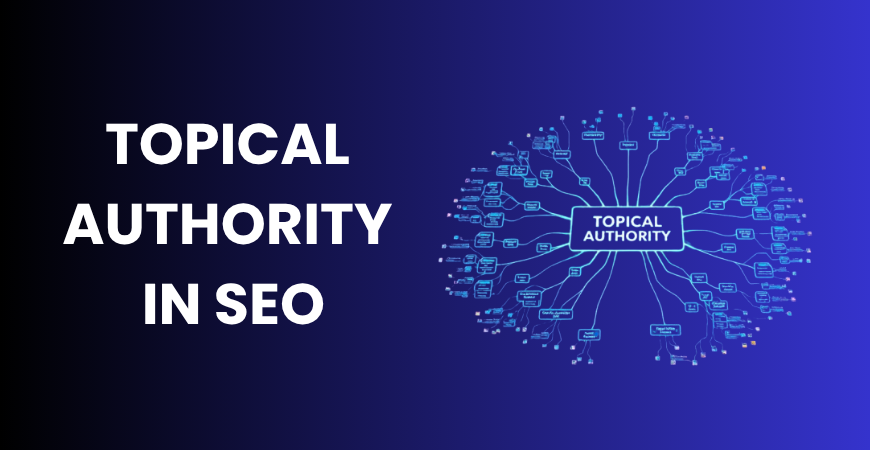
Do topic clusters help improve topical authority?
They can help demonstrate broad and detailed coverage of a subject. However, publishing more related pages does not automatically establish authority or improve rankings.
Conclusion
Topic clusters turn keyword research into a connected content plan through a central pillar page, useful supporting articles, and relevant internal links. Choose a topic that matters to your audience, group keywords by search intent, map them to suitable pages, and review performance regularly. Focus on helpful content and meaningful connections rather than article volume to build a stronger foundation for sustainable SEO growth.