Introduction
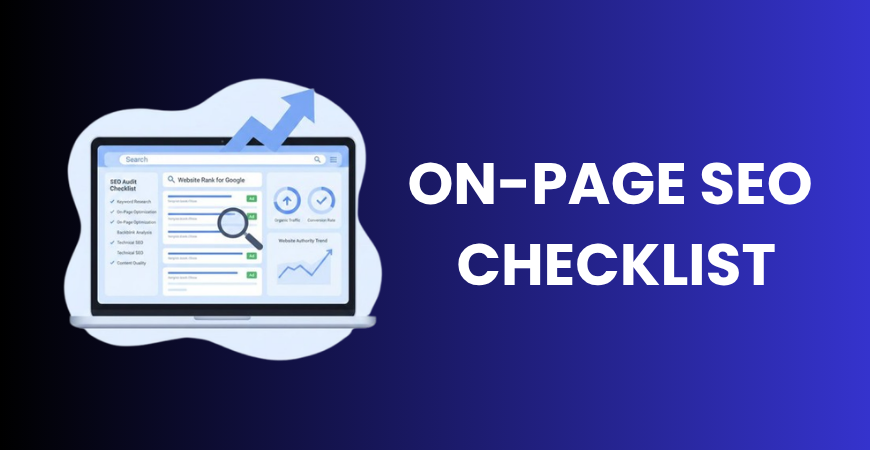
An effective on-page SEO checklist helps businesses optimize their webpages so search engines can better understand their content, relevance, and value. From page titles and content structure to internal links and user experience, every on-page element contributes to better search visibility.
Many websites struggle to rank despite publishing quality content because they overlook important optimization factors. A structured on-page SEO process ensures that webpages are easier for Google to crawl, understand, and match with relevant search queries.
In this guide, we will cover 10 essential on-page SEO steps that can help improve your website rankings and create a stronger foundation for long-term organic growth.
What Is On-Page SEO?
On-page SEO refers to the process of optimizing individual webpage elements to improve search engine rankings and provide a better experience for visitors. It focuses on changes made directly on your website, unlike off-page SEO, which involves external factors such as backlinks and brand mentions.
A complete on-page SEO checklist includes optimizing:
- Page titles
- Meta descriptions
- Content quality
- Heading structure
- URLs
- Internal links
- Images
- Structured data
- Page speed
- User experience
Google evaluates hundreds of factors when ranking pages, but on-page optimization remains one of the most important areas businesses can control directly.
On-Page SEO vs Off-Page SEO
| On-Page SEO | Off-Page SEO |
| Optimizes webpage elements | Builds external authority |
| Improves content relevance | Focuses on backlinks |
| Includes titles and headings | Includes brand mentions |
| Uses internal linking | Uses external references |
| Improves user experience | Builds online reputation |
Both strategies work together, but strong on-page optimization creates the foundation needed for successful SEO performance.
On-Page SEO Checklist: Steps to Rank Higher on Google
A successful on-page SEO checklist focuses on making webpages more relevant, accessible, and useful for both users and search engines. The following steps cover the most important optimization areas.
1. Optimize Title Tags With Target Keywords
The title tag is one of the first elements Google and users see when discovering a webpage. It provides important information about the topic of a page and influences whether users click on your search result.
A properly optimized title tag should:
- Include the primary keyword naturally
- Clearly explain the page topic
- Match user search intent
- Encourage clicks
- Avoid unnecessary keyword repetition
For example:
Incorrect:
“SEO Services | SEO Company | Best SEO Services”
Better:
“On-Page SEO Checklist: 10 Steps to Rank Higher on Google”
The second example is clearer, more targeted toward the user, and effectively conveys what value the page offers.
Avoid creating titles only for search engines. A good title should attract users while helping Google understand the page topic.
2. Create Compelling Meta Descriptions
Meta descriptions provide a short summary of webpage content that appears below the title in search results. While they are not a direct ranking factor, they can influence click-through rates.
A strong meta description should:
- Explain what users will learn
- Include the target keyword naturally
- Highlight the benefit of visiting the page
- Encourage action
For example:
“Learn the complete on-page SEO checklist with practical steps to optimize your website pages, improve visibility, and increase Google rankings.”
A clear meta description helps users quickly decide whether your content matches their needs.
3. Create Content Based on Search Intent
One of the most important parts of on-page optimization is creating content that matches what users are actually searching for.
Google has become better at understanding the purpose behind searches rather than simply matching keywords. This means websites need to focus on solving user problems instead of only adding keywords.
Search intent falls under four distinct categories:
| Search Intent | Example |
| Informational | What is on-page SEO? |
| Commercial | Best SEO tools for businesses |
| Transactional | Hire an SEO agency |
| Navigational | Google Search Console login |
A strong SEO content strategy helps businesses create content around user needs, relevant topics, and keyword opportunities. Instead of creating isolated articles, businesses should build content that answers related questions and provides complete information.
Effective content should:
- Answer the main query clearly
- Include relevant examples
- Cover supporting topics
- Provide actionable solutions
When content satisfies search intent, users spend more time engaging with the page, which can support better SEO performance.
4. Use Proper Heading Structure
Headings improve content readability and help search engines understand webpage organization.
A properly structured page should include:
- One clear H1 heading
- Relevant H2 sections
- Supporting H3 subheadings
For example:
H1:
On-Page SEO Checklist: 10 Steps to Rank Higher on Google
H2:
Optimize Title Tags
H2:
Improve Internal Linking
H3:
Use Descriptive Anchor Text
Avoid using headings only for formatting purposes. Each heading should guide users through the content logically.
A clear heading structure makes content easier to scan, especially for users reading on mobile devices.
5. Create SEO-Friendly URLs
URLs provide additional context about webpage topics. A clean and descriptive URL structure improves usability and makes pages easier for search engines to understand.
Best practices for SEO-friendly URLs include:
- Keep URLs short
- Use descriptive words
- Include relevant keywords
- Avoid unnecessary numbers and symbols
Example:
Poor URL:
example.com/page?id=45678
Optimized URL:
example.com/on-page-seo-checklist
Simple URLs improve navigation and create a more organized website structure.
6. Build Strategic Internal Links
Internal links connect different pages within the same website and help search engines understand relationships between content.
A proper internal linking strategy helps businesses:
- Improve website navigation
- Distribute authority between pages
- Help Google discover new content
- Strengthen topical connections
For example, an on-page SEO article can naturally link to related topics such as content strategy, technical SEO, and website optimization.
When adding internal links:
- Use descriptive anchor text
- Link only relevant pages
- Avoid excessive linking
- Connect supporting content with important pages
Internal linking also improves user experience by helping visitors discover additional resources related to their interests.
7. Optimize Images for SEO
Images improve content engagement, but unoptimized images can negatively affect website performance.
A proper image optimization process includes:
- Compressing image file sizes
- Using descriptive file names
- Adding alt text
- Selecting suitable image formats
- Maintaining visual quality
For example:
Poor:
image123.jpg
Better:
on-page-seo-checklist-guide.jpg
Alt text also helps search engines understand image content and improves accessibility for users.
Optimized images contribute to better page speed and overall website experience.
8. Implement Structured Data and Schema Markup
Search engines need additional context to understand different types of content. Structured data provides extra information about webpages and helps search engines interpret their purpose.
Using schema markup in SEO helps websites communicate information about:
- Articles
- FAQs
- Reviews
- Products
- Organizations
- Breadcrumbs
Benefits of structured data include:
- Better search engine understanding
- Improved visibility opportunities
- Enhanced search result appearance
For example, FAQ schema helps search engines identify question-and-answer sections, making the content easier to interpret.
While schema does not guarantee higher rankings, it improves how search engines process and display webpage information.
9. Improve Page Experience and Website Performance
A webpage should not only provide useful information but also deliver a smooth user experience.
Important page experience factors include:
- Fast loading speed
- Mobile responsiveness
- Easy navigation
- Clear content layout
- Readable fonts and spacing
Following best SEO practices ensures that optimization covers both search engine requirements and user expectations.
A slow or difficult-to-use website can increase bounce rates and reduce user engagement. Improving page experience helps visitors interact with your content more effectively.
10. Refresh and Update Existing Content
SEO requires continuous improvement. Even well-performing pages can lose rankings when information becomes outdated or competitors publish better content.
A content refresh process should include:
- Updating outdated information
- Adding new examples
- Improving readability
- Expanding missing sections
- Fixing broken links
- Reviewing keyword targeting
Search engines prefer accurate and useful information. Regular content updates help maintain relevance and improve long-term ranking potential.
Modern SEO also requires understanding relationships between topics. Using semantic SEO optimization helps search engines understand content meaning, related concepts, and overall topic relevance rather than relying only on exact keyword matches.
Common On-Page SEO Mistakes to Avoid
Even after following an on-page SEO checklist, businesses often make mistakes that limit their results.
Keyword Stuffing
Adding keywords excessively can reduce readability and create a poor user experience.
Ignoring Search Intent
A page may include keywords but still fail if it does not answer what users actually need.
Poor Internal Linking
Without proper internal connections, important pages may receive less visibility from search engines.
Duplicate Content
Publishing similar or copied content can confuse search engines and reduce ranking opportunities.
Neglecting Mobile Optimization
A poor mobile experience can negatively affect engagement and user satisfaction.
How Digiad Solution Helps Businesses Improve On-Page SEO
At Digiad Solution, we help businesses improve their organic visibility through structured SEO strategies focused on performance and long-term growth.
Our approach includes:
- Keyword research and content planning
- On-page optimization
- Internal linking improvements
- Technical SEO analysis
- Content structure optimization
- Search visibility improvements
Instead of focusing only on rankings, we create SEO systems that help businesses attract relevant traffic and convert visitors into customers.
By combining content optimization, technical improvements, and strategic planning, Digiad Solution helps businesses build stronger websites that perform better in search results.
Frequently Asked Questions
What is included in an On-Page SEO checklist?
An on-page SEO checklist includes title optimization, meta descriptions, content improvement, heading structure, URL optimization, internal linking, image SEO, schema implementation, and user experience improvements.
How long does on-page SEO take to show results?
The timeline depends on factors such as website authority, competition, and the changes implemented. Some improvements may appear within weeks, while larger ranking improvements may take longer.
Is on-page SEO still important?
Yes. On-page SEO remains essential because it helps search engines understand webpage relevance and ensures users receive a better browsing experience.
What is the difference between on-page SEO and technical SEO?
On-page SEO focuses on content and webpage elements, while technical SEO focuses on website infrastructure, crawling, indexing, and performance.
Can on-page SEO improve Google rankings?
Yes. Proper on-page optimization improves relevance, usability, and search engine understanding, which can contribute to better rankings.
Conclusion
A complete on-page SEO checklist helps businesses create webpages that are easier for Google to understand and more valuable for users. By optimizing titles, content, headings, internal links, images, structured data, and page experience, businesses can build a strong foundation for higher rankings. Consistent on-page optimization combined with quality content and strategic SEO practices helps websites achieve sustainable organic growth over time.