Introduction
Understanding the SEO timeline is essential for any business investing in search engine optimization. Many website owners expect immediate rankings, but SEO is a gradual process that involves building trust, improving website quality, and consistently creating valuable content. Knowing what to expect at each stage helps you set realistic goals and avoid giving up too early.
Unlike paid advertising, SEO delivers long-term results that compound over time. While every website progresses differently, most businesses follow a similar pattern of growth. This guide explains what typically happens month by month so you know where your website should be and what actions will produce the best results.
What Determines Your SEO Timeline?
Before looking at the monthly stages, it’s important to understand that no two websites share the exact same SEO timeline. Some websites see noticeable improvements within a few months, while others require longer because of higher competition or weaker foundations.
Several factors influence how quickly your website ranks:
- Website age and existing authority
- Industry competition
- Content quality and relevance
- Technical SEO health
- Internal linking structure
- Backlink quality
- Publishing consistency
- User engagement signals
For example, a new local business website targeting low-competition keywords may achieve rankings faster than a national e-commerce website competing against established brands.
Rather than asking, “How long will SEO take?” the better question is, “How strong is my SEO foundation?”
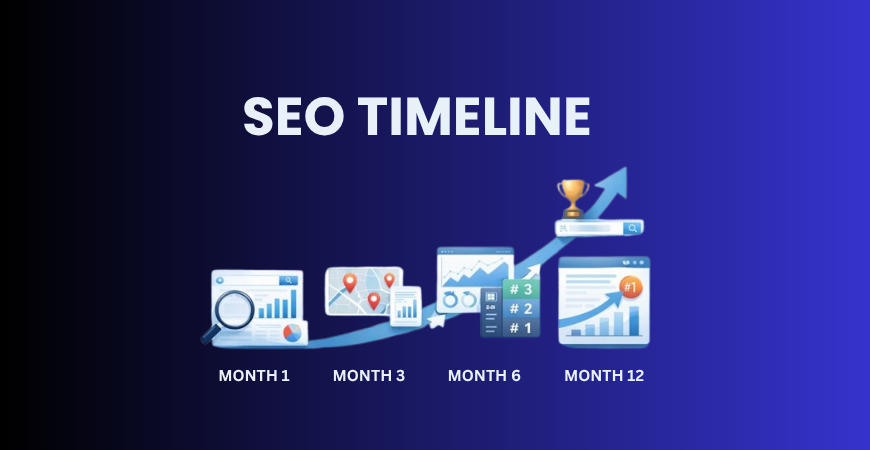
Month 1: Research, Audit & Website Optimization
The first month is dedicated to building the foundation that supports future rankings. Although you may not see immediate traffic improvements, this stage is critical for long-term success.
Typical activities include:
- Conducting a complete SEO audit
- Performing keyword research
- Fixing technical SEO issues
- Optimizing page titles and meta descriptions
- Improving page speed
- Creating a content calendar
- Setting up Google Search Console and Google Analytics
Developing a clear SEO content strategy during this stage ensures every future article supports your overall ranking goals instead of targeting unrelated keywords.
Expected results
By the end of Month 1, Google may begin recrawling your website, but rankings usually remain stable. The real achievement is having a stronger technical and content foundation ready for growth.
Month 2–3: Content Publishing & Initial Indexing
Once the foundation is complete, the focus shifts to consistently publishing valuable content and improving your website structure.
During these months you should:
- Publish optimized blog articles
- Create supporting topic pages
- Improve navigation
- Connect related pages
- Optimize images
- Monitor indexing status
One of the most important improvements during this phase is implementing a structured internal linking strategy. Linking related pages helps search engines discover new content more efficiently while guiding visitors to relevant information.
Google also begins testing your pages for various search queries. Long-tail keywords often start appearing in search results first because they face less competition.
Expected results
You may notice:
- More indexed pages
- Increased impressions
- Small traffic gains
- Early keyword rankings
- Better crawl frequency
Although traffic may still be modest, these are positive signs that your SEO timeline is progressing as expected.
Month 4–6: Rankings Begin to Improve
This is the stage where many businesses start seeing measurable SEO progress.
By now, Google has collected enough data to better understand your website and how users interact with your content. Pages that provide useful information begin climbing the search results, especially for medium-competition keywords.
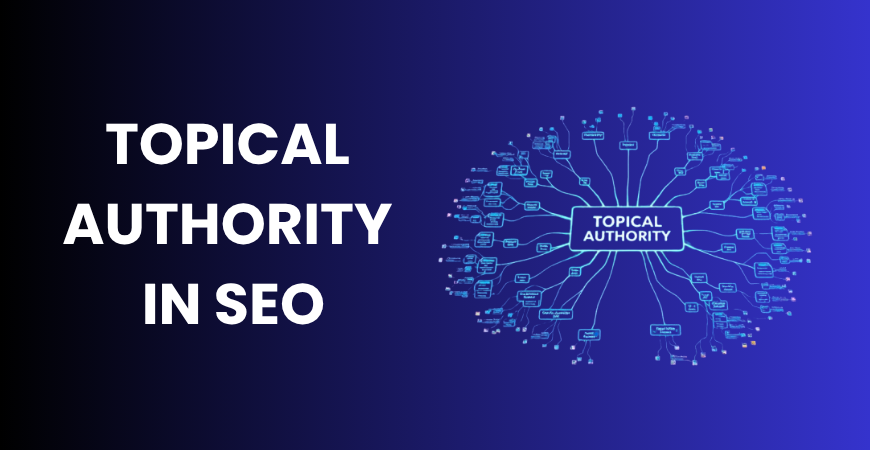
At this stage, your website should continue publishing high-quality content around related subjects rather than isolated topics. This strengthens topical authority, helping search engines recognize your website as a trusted resource within your niche.
Other improvements often include:
- More keywords ranking
- Increased organic traffic
- Longer user sessions
- Lower bounce rates
- Better click-through rates
- More returning visitors
Expected results
Most businesses experience noticeable SEO growth during Months 4–6 if they have consistently followed best practices.
However, highly competitive industries may require additional time before reaching page one.
Month 6–12: Authority and Consistent Growth
The second half of the first year is where SEO begins producing long-term business value.
Your website has accumulated more indexed pages, stronger authority, and greater trust with search engines. Instead of ranking for only a handful of keywords, your pages begin appearing for hundreds of related search queries.
Google also develops a deeper understanding of your website through concepts such as entities, relationships, and user intent. Implementing semantic SEO techniques helps reinforce these connections, allowing search engines to better understand the meaning behind your content rather than relying only on exact keywords.
Businesses often notice:
- Higher rankings for competitive keywords
- Significant traffic growth
- More qualified leads
- Increased conversions
- Stronger brand visibility
- More natural backlinks
Expected results
SEO becomes more predictable because your website has developed momentum. Every new high-quality article now supports the growth of existing pages instead of starting from zero.
How to Speed Up Your SEO Timeline
Although SEO cannot be rushed, several proven practices can help you achieve results more efficiently.
Publish consistently
Regular publishing demonstrates that your website remains active and provides search engines with fresh content to index.
Build topic clusters
Cover complete subjects instead of isolated keywords. Topic clusters strengthen authority and improve internal relevance.
Optimize existing content
Updating older articles with fresh information, new statistics, and improved formatting often produces quicker gains than publishing entirely new pages.
Improve technical SEO
Fix broken links, improve page speed, optimize Core Web Vitals, and ensure your website is mobile-friendly.
Earn quality backlinks
High-quality backlinks remain an important ranking signal. Focus on earning links from relevant and trustworthy websites.
Follow SEO best practices
Applying best SEO practices consistently—including proper heading structures, descriptive metadata, logical site architecture, and helpful content—creates a stronger foundation for long-term ranking improvements.
Common Reasons SEO Takes Longer Than Expected
Sometimes websites fail to achieve expected results because of avoidable mistakes rather than Google’s algorithm.
Common reasons include:
- Targeting highly competitive keywords too early
- Publishing thin or duplicate content
- Poor website architecture
- Weak internal linking
- Technical SEO issues
- Inconsistent publishing schedule
- Low-quality backlinks
- Ignoring user experience
SEO should be viewed as a continuous improvement process rather than a one-time project. Dealing with these problems at an early stage can make a notable difference in improving your SEO timeline.
How Digiad Solution Helps Businesses Achieve SEO Results Faster
A successful SEO timeline depends on consistent execution rather than shortcuts. At Digiad Solution, we help businesses build strong SEO foundations through comprehensive website audits, strategic keyword research, technical optimization, content planning, and authority-building campaigns.
Our team focuses on creating sustainable growth by developing topic-focused content, improving internal linking, optimizing technical performance, and monitoring results through continuous analysis. Instead of chasing quick wins, we implement proven SEO strategies that help businesses achieve steady improvements in rankings, traffic, and lead generation over time.
Frequently Asked Questions
How long does SEO usually take?
Most websites begin seeing early improvements within three to six months, while stronger and more competitive rankings often require six to twelve months of consistent SEO work.
Can SEO work in one month?
You may see improvements in indexing and technical performance within the first month, but significant ranking gains generally take longer.
Why do some websites rank faster than others?
Ranking speed is determined by a combination of elements, including domain authority, the level of competition, the quality of your content, your backlink profile, and how well your technical SEO is optimized.
Does publishing more content speed up SEO?
Publishing high-quality, relevant content consistently can accelerate growth, especially when supported by strong internal linking and technical optimization.
Is SEO a one-time activity?
No. SEO requires continuous optimization, content updates, monitoring, and improvement to maintain and grow rankings over time.
Conclusion
A realistic SEO timeline is measured in months, not days. Businesses that invest in strong planning, consistent content creation, technical optimization, and ongoing improvements are far more likely to achieve sustainable rankings than those looking for quick results. By understanding what to expect at each stage and partnering with experienced professionals like Digiad Solution, you can build a long-term SEO strategy that delivers lasting visibility, qualified traffic, and measurable business growth.