Introduction
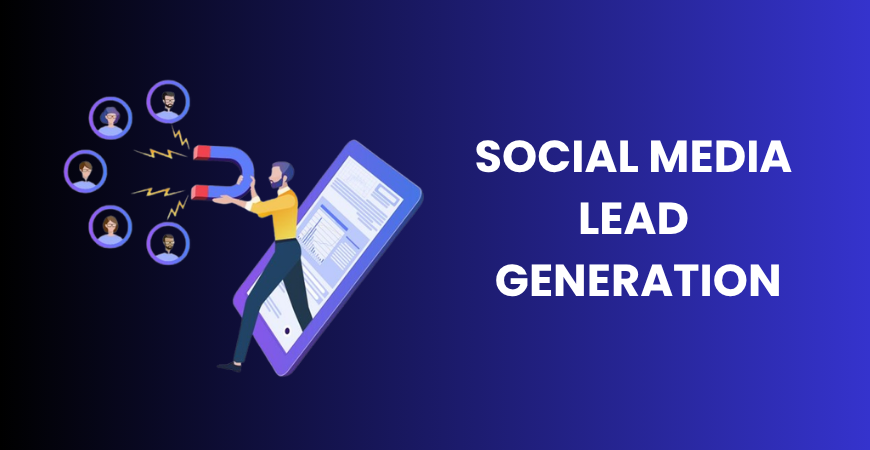
Getting likes, comments, and followers can help a business gain visibility, but they do not automatically create customers. Social media lead generation focuses on turning audience interest into real opportunities, such as inquiries, form submissions, consultation requests, or bookings.
The process involves reaching the right people, giving them a reason to engage, and making it easy for interested users to take the next step. This guide explains how businesses can use social platforms to attract, capture, and follow up with potential customers.
What Is Social Media Lead Generation?
Social media lead generation is the process of using social platforms to attract potential customers and encourage them to share their details or take a meaningful action. A lead may fill out a form, request a quote, book an appointment, download a resource, or send a direct inquiry.
The main difference between engagement and lead generation is the outcome. Someone may like a post without showing any intention to buy. A lead has taken a step that gives the business an opportunity to continue the conversation. This does not mean every interaction should become a sales pitch. Useful content and genuine engagement often help build trust before a potential customer is ready to take action.
Why Social Media Lead Generation Matters for Businesses
Social platforms allow businesses to connect with potential customers where they are already active. Instead of waiting for people to discover a website, businesses can use content, conversations, and targeted campaigns to attract interest and encourage inquiries.
It also makes marketing more measurable. Businesses can track how many leads come from a campaign, what they cost, and whether they eventually become customers. This makes lead generation an important part of a broader performance marketing guide, where marketing efforts are evaluated based on measurable outcomes.
The goal may differ from one business to another. A local service provider may focus on appointment requests, while a B2B company may want consultation bookings. The basic process, however, remains the same: reach the right audience, offer value, and guide interested users toward the next step.
How Businesses Generate Leads Through Social Media
1. Identify the Right Audience
The first step is understanding who is most likely to become a customer. Businesses should consider factors such as location, interests, needs, and the problems their products or services can solve.
Trying to reach everyone often leads to generic messaging. A focused audience makes it easier to create relevant content and offers. For example, a local clinic may target people within its service area, while a software company may focus on decision-makers in specific industries.
The goal is not simply to increase reach but to attract people with a genuine interest in the business.
2. Create Content That Attracts Potential Leads
People usually need a reason to share their contact details or make an inquiry. Content can provide that reason by solving a problem, answering a question, demonstrating expertise, or introducing a useful offer.
Educational posts, short videos, guides, product demonstrations, and case studies can all support lead generation. A clear social media content strategy ensures that content is created around audience needs and business goals rather than being published randomly.
For example, a marketing agency could create content around common business growth problems and invite interested users to request a consultation. The content attracts attention, while the offer encourages the next step.
3. Use a Clear Call to Action
Useful content alone may not generate leads if users do not know what to do next. A clear call to action guides them toward a specific step.
Depending on the campaign, businesses can ask users to:
- Book a consultation
- Request a quote
- Download a guide
- Sign up for updates
- Register for an event
- Send a message
The CTA should match the user’s level of interest. Someone discovering a brand for the first time may be more willing to request information than make an immediate purchase.
4. Use Lead Generation Ads
Organic content can attract potential customers, while paid campaigns can help businesses reach a larger and more targeted audience. Lead generation ads may direct users to a landing page or allow them to submit their details through a form within the platform.
This is where social media advertising becomes useful. Businesses can target users based on location, demographics, interests, and previous interactions while promoting a specific offer.
For example, a gym might offer a free trial, while a service business could promote a consultation. The offer should give users a clear reason to respond.
5. Capture and Follow Up With Leads
Generating a lead is only the beginning. Once someone submits their details or sends an inquiry, the business needs to respond and continue the conversation.
Forms and landing pages should be simple and relevant to the offer. Asking for unnecessary information may discourage users from completing them. Quick responses are also important when someone has already shown direct interest.
A strong social media engagement strategy can support this process by helping businesses manage conversations consistently and provide relevant information to potential customers.
Best Social Media Platforms for Lead Generation
The best platform depends on the audience and business type.
| Platform | Best For |
| Local businesses, broad targeting, lead forms | |
| Visual brands, product discovery, direct inquiries | |
| B2B leads and professional services | |
| YouTube | Educational content and audience building |
| Snapchat | Younger audiences and mobile-focused campaigns |
Businesses do not need to be equally active on every platform. It is more effective to focus on platforms where potential customers are already active.
How to Enhance Lead Quality From Social Media
More leads do not always mean better results. A campaign that generates many low-quality inquiries may be less valuable than one that attracts fewer but more relevant prospects.
Lead quality can improve through more specific targeting, clear offers, and messaging that explains exactly who the product or service is for. Businesses can also add qualifying questions to forms when appropriate.
Consistency is equally important. If an advertisement promotes a consultation, the landing page should clearly explain that offer. This creates a smoother experience and helps reduce low-intent submissions.
Finally, follow-up should be timely and relevant. A potential customer may lose interest if they receive a delayed or generic response.

How to Measure Social Media Lead Generation Success
Businesses ought to focus on more than just the total number of leads. Important metrics include:
- Number of leads generated
- Cost per lead
- Conversion rate
- Number of qualified leads
- Lead-to-customer rate
- Customer acquisition cost
Conversion tracking helps businesses identify which campaigns, ads, or content pieces are actually encouraging users to complete the desired action.
Measuring these results allows businesses to understand where their marketing budget and effort are producing the best outcomes. The success of a campaign should depend not only on how many leads it generates but also on how many of those leads become valuable customers.
Need Help Generating Leads Through Social Media?
Posting regularly is not always enough to create a steady flow of inquiries. Businesses need the right audience, useful content, clear offers, effective lead capture, and performance measurement.
Digiad Solution helps businesses build digital marketing campaigns focused on measurable growth. By combining content, targeted advertising, lead generation, and performance tracking, businesses can create a more structured approach to attracting potential customers.
Frequently Asked Questions
What is social media lead generation?
It is the process of using social platforms to attract potential customers and encourage them to take actions such as submitting a form, requesting information, or booking a consultation.
Which social media platform is best for generating leads?
The best platform depends on the target audience and business type. Facebook and Instagram can work well for local and consumer businesses, while LinkedIn is often useful for B2B services.
Can small businesses use social media as a tool for lead generation?
Yes. Small businesses can use targeted content, local audience targeting, lead forms, and direct engagement to connect with relevant potential customers.
How do businesses measure lead generation success?
Businesses can track lead volume, cost per lead, conversion rate, lead quality, and how many leads eventually become customers.
Conclusion
Social media lead generation works best when businesses focus on attracting the right audience instead of simply chasing likes or follower numbers. Relevant content, clear calls to action, targeted campaigns, simple lead capture, and timely follow-up can turn social media activity into real business opportunities. By tracking both lead quantity and quality, businesses can improve their approach and create a stronger path from audience interest to customer growth.