Introduction
SEO services for small businesses can help companies improve online visibility, attract relevant visitors, and create more opportunities for leads and customers. However, small businesses do not necessarily need every SEO service available. The right approach depends on the website’s current condition, competition, audience, and business goals.
For businesses with limited budgets, SEO should be about prioritization. Fixing major website issues and improving important pages can often deliver more value than trying to do everything at once.
What Are SEO Services for Small Businesses?
SEO services involve improving a website’s visibility in organic search results through activities such as keyword research, on-page optimization, technical SEO, content creation, local SEO, internal linking, and authority building.
The goal is not simply to rank for more keywords. Effective SEO services for small businesses should help attract people who are genuinely interested in a company’s products or services. Relevant traffic is ultimately more valuable than large amounts of visitors who are unlikely to become customers.
Essential SEO Services That Drive Real Growth
1. SEO Audit and Website Analysis
Before making major SEO changes, a business should understand what is currently holding its website back. An SEO audit can uncover indexing issues, broken pages, technical problems, content gaps, weak on-page optimization, and internal linking issues.
Without an audit, businesses may spend money creating more content or building backlinks while ignoring fundamental problems. For example, publishing new pages will have limited value if important existing pages cannot be properly indexed. A structured SEO audit checklist can help identify these issues and prioritize the improvements that need attention first.
For this reason, an audit is often a sensible starting point for SEO services for small businesses.
2. Keyword Research and SEO Strategy
Keyword research helps businesses understand what potential customers are actually searching for. Small businesses should not automatically chase the highest-volume keywords, especially when those results are dominated by established competitors.
A practical strategy can focus on service-related keywords, long-tail searches, local queries where relevant, and commercial terms that indicate stronger buying intent. Search volume matters, but relevance and competition are equally important.
The best keyword is not always the most popular one. It is often a search term that closely matches the business’s services and gives the website a realistic opportunity to compete.
3. On-Page SEO
On-page SEO improves the elements of individual webpages so search engines and users can better understand their purpose. This includes title tags, meta descriptions, headings, URLs, content, images, and internal links.
For a small business, improving existing service pages can sometimes be more valuable than immediately publishing dozens of new articles. If an important page has an unclear title, weak content, or poor structure, it may struggle to compete even when the business offers exactly what users are searching for.
An on-page SEO checklist can help identify missing or weak elements while keeping optimization natural and avoiding keyword stuffing.
4. Local SEO for Location-Based Businesses
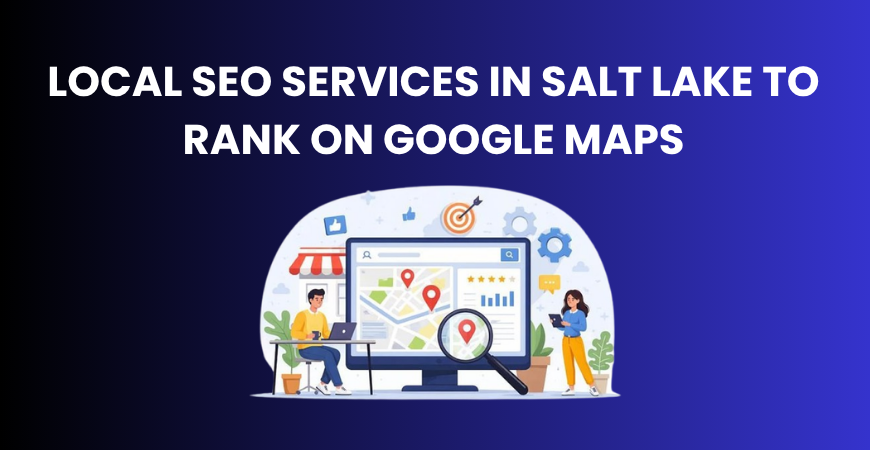
Local SEO is especially important for businesses serving customers in a specific geographic area. Restaurants, clinics, salons, gyms, stores, and professional service providers can benefit from appearing when nearby customers search for relevant services.
Important activities may include optimizing a Google Business Profile, maintaining accurate business information, targeting relevant local searches, earning genuine reviews, and creating useful location-specific pages where appropriate.
Effective local SEO strategies can help businesses focus on the people most likely to visit, contact, or purchase from them. For location-based companies, local optimization can be one of the most valuable SEO services for small businesses.
5. Content Creation and SEO Content Strategy
A small business website should not depend entirely on a few service pages. Useful content can help target additional searches, answer customer questions, and guide potential customers toward relevant services.
This may include educational blogs, FAQs, buying guides, comparison pages, and industry-specific resources. However, content should always have a purpose. Publishing articles simply to increase the number of pages is unlikely to produce meaningful results.
A focused SEO content strategy helps businesses identify useful topics, avoid duplicate content, and create pages that support both users and important commercial services.
6. Technical SEO
Technical SEO provides the foundation that allows search engines to crawl, understand, and index a website. Problems with crawlability, indexing, redirects, page speed, mobile usability, duplicate pages, or HTTPS can limit performance.
Not every technical issue requires immediate action. Businesses should prioritize problems that affect important pages and prevent users or search engines from accessing the website properly.
Technical improvements are an important part of SEO services for small businesses because strong content alone cannot overcome major indexing or accessibility problems.
7. Internal Linking and Website Structure
Internal links help users and search engines move between related pages. A weak website structure can leave valuable pages disconnected or make important services difficult to discover.
For example, a relevant blog can naturally link to a service page, while the service page can direct visitors toward supporting resources. This creates a clearer journey and helps establish relationships between topics.
A strong internal linking strategy focuses on relevance, descriptive anchor text, and supporting important pages rather than simply adding as many links as possible.
8. Authority Building and Link Acquisition
In competitive industries, even useful and well-optimized content may struggle against established websites with stronger authority. Authority building can involve earning relevant backlinks, industry mentions, digital PR opportunities, partnerships, and useful resources that others want to reference.
The focus should be on quality and relevance rather than simply collecting large numbers of links. Sustainable authority building takes time, but it can help businesses compete for more valuable searches as their SEO foundation becomes stronger.
Which SEO Services Should a Small Business Prioritize First?
Small businesses should focus on their biggest SEO problems rather than purchasing every service at once.
| Business Problem | SEO Priority |
| Indexing or major technical issues | SEO audit and technical SEO |
| Customers mainly come from a local area | Local SEO |
| Important pages have poor visibility | On-page SEO |
| Website lacks useful content | SEO content strategy |
| Pages are poorly connected | Internal linking |
| Strong competitors dominate results | Authority building |
A customized approach is usually more effective than a fixed package. A local business may need local SEO and service page optimization first, while an online business competing nationally may need stronger content and authority.
How Digiad Solution Helps Small Businesses Grow With SEO
Digiad Solution helps businesses identify the SEO issues and opportunities that matter most to their goals. Depending on the website’s needs, the approach can include SEO audits, keyword research, on-page optimization, local SEO, content strategy, technical SEO, internal linking, and authority-building efforts.
The aim is to prioritize work that improves relevant search visibility and supports meaningful outcomes such as enquiries, leads, and long-term business growth.
Frequently Asked Questions
What SEO services do small businesses need?
The right services depend on the business and its website. Common priorities include SEO audits, keyword research, on-page optimization, local SEO, technical improvements, content, internal linking, and authority building.
How much should a small business invest in SEO?
There is no fixed amount. Investment depends on competition, website condition, business goals, and the amount of work required. Businesses should prioritize their biggest opportunities first.
How long does SEO take to show results?
SEO timelines vary based on competition, website authority, content quality, technical health, and the work being implemented. Sustainable results generally require consistent effort.
Can a small business compete with larger companies on Google?
Yes. Small businesses can focus on specific services, niches, long-tail keywords, and local opportunities rather than competing for every broad keyword.
Conclusion
The best SEO services for small businesses are not necessarily the ones with the longest list of activities. Real growth comes from identifying the biggest barriers to visibility, prioritizing the right SEO work, and focusing on searches that can attract relevant customers. Whether the priority is local SEO, content, technical improvements, on-page optimization, or authority building, a focused strategy can create a stronger foundation for long-term growth.