Introduction
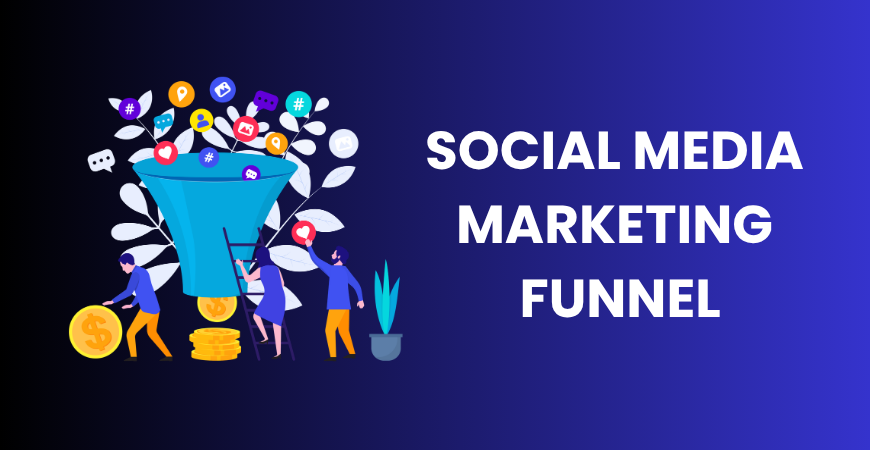
A social media marketing funnel helps businesses move people from discovering a brand to engaging with it, considering its offer, and eventually becoming customers. Instead of treating followers as the end goal, a funnel focuses on turning attention into meaningful actions.
The process is not about selling in every post. It is about giving people the right content and next step based on where they are in their buying journey.
What Is a Social Media Marketing Funnel?
A social media marketing funnel is a structured customer journey that uses social media content, engagement, advertising, and conversion activities to move potential customers toward a business goal.
A simple funnel looks like this:
Awareness → Engagement → Consideration → Conversion → Retention
- Awareness: Help potential customers discover your brand.
- Engagement: Build interest and trust.
- Consideration: Help people evaluate your offer.
- Conversion: Encourage an enquiry, purchase, booking, or other action.
- Retention: Keep customers engaged after conversion.
Having thousands of followers does not automatically mean having thousands of customers. Businesses need a process that connects audience attention with business outcomes.
How Does a Social Media Marketing Funnel Work?
1. Awareness: Get Your Brand Discovered
The first stage is about reaching people who may not know your business. The goal is visibility rather than immediate sales.
Businesses can use:
- Educational posts
- Reels and short-form videos
- Shareable content
- Industry tips
- Influencer collaborations
- Paid campaigns
For example, a digital marketing agency could publish a Reel explaining common SEO mistakes. Someone interested in SEO may discover the agency without actively searching for it.
Social media advertising can also help businesses reach defined audiences when organic distribution alone is not enough.
2. Engagement: Build Interest and Trust
After gaining attention, the next step is encouraging people to interact with the brand.
This can include:
- Comments and replies
- Shares and saves
- Story interactions
- Polls
- Direct messages
- Community discussions
A strong social media engagement strategy can turn passive viewers into an active audience.
The goal is not simply to collect likes. Useful conversations and consistent interactions can build familiarity and trust.
3. Consideration: Show Why Your Offer Matters
At this stage, people are evaluating whether your product or service can solve their problem.
Useful content can include:
- Product or service demonstrations
- Testimonials
- Case examples
- FAQs
- Comparisons
- Expert insights
- Problem-solving content
A strong social media content strategy should therefore address different levels of customer awareness instead of relying only on promotional posts.
4. Conversion: Turn Followers Into Customers
Conversion is where interest becomes action.
Depending on the business, the desired action could be:
- Making a purchase
- Filling out a lead form
- Booking a consultation
- Requesting a quote
- Sending an enquiry
- Signing up for a service
Clear calls to action, landing pages, lead forms, offers, and retargeting can support this stage.
A focused social media lead generation approach is particularly useful when collecting customer enquiries is the main goal.
5. Retention: Keep Customers Engaged
The relationship does not have to end after a customer converts.
Businesses can maintain engagement through:
- Helpful post-purchase content
- Customer support
- Product updates
- Exclusive offers
- Community content
- User-generated content
The goal is to encourage repeat purchases, referrals, reviews, and long-term relationships.
How to Build a Social Media Marketing Funnel
Step 1: Define Your Target Audience
Understand who you want to attract, their problems, and what influences their decisions.
Step 2: Set a Clear Goal
Decide whether you want awareness, engagement, leads, sales, or another measurable action.
Your overall social media marketing strategy should connect the funnel with these business goals.
Step 3: Create Content for Each Stage
Different stages need different content:
Awareness: Educational videos
Engagement: Questions and discussions
Consideration: Demonstrations and comparisons
Conversion: Offers and clear CTAs
Retention: Support and community content
Step 4: Use Paid Campaigns Strategically
Organic content can build your presence, while paid campaigns can increase reach or target specific audiences.
Step 5: Create a Clear Conversion Path
Make sure users know what to do next and avoid unnecessary steps between interest and conversion.
Step 6: Track and Improve
Monitor each stage and identify where potential customers are dropping off.
Organic vs Paid Social Media in the Funnel
Both approaches can support different funnel stages:
| Funnel Stage | Organic Social | Paid Social |
| Awareness | Educational content | Targeted reach |
| Engagement | Community interaction | Engagement campaigns |
| Consideration | Helpful content | Retargeting |
| Conversion | CTAs and offers | Lead/conversion campaigns |
| Retention | Community content | Retargeting and promotions |
Organic vs Paid social media is therefore less about choosing one permanently and more about finding the right balance between long-term audience building and targeted promotion.
How to Measure a Social Media Marketing Funnel
| Stage | Useful Metrics |
| Awareness | Reach, impressions, video views |
| Engagement | Comments, shares, saves, engagement rate |
| Consideration | Website visits, profile visits, content interactions |
| Conversion | Leads, sales, conversion rate, cost per lead |
| Retention | Repeat purchases, engagement, referrals |
Social media analytics helps businesses understand which content and campaigns are moving users through the funnel.
Businesses should also connect social activity with actual business outcomes instead of measuring only likes and followers. Social media ROI can help evaluate whether social media investment is producing meaningful returns.
Example: Social Media Marketing Funnel for a Local Business
Imagine a digital marketing agency trying to generate enquiries:
Awareness: It publishes a Reel about common SEO mistakes.
↓
Engagement: A business owner watches, follows the page, and saves the content.
↓
Consideration: The owner sees more content about SEO, social media, and digital advertising.
↓
Conversion: The agency presents a relevant service with a clear enquiry option.
↓
Retention: After becoming a customer, the business continues receiving useful content and communication.
The exact journey varies by industry, but the principle remains the same: move people from attention to action by providing the right next step.
Frequently Asked Questions
What is a social media marketing funnel?
It is a structured customer journey that moves people from awareness and engagement toward consideration, conversion, and retention.
How do you turn social media followers into customers?
Create useful content, build trust, show how your offer solves a problem, use clear CTAs, and make the conversion process simple.
What are the stages of a social media funnel?
The main stages are awareness, engagement, consideration, conversion, and retention.
How can social media generate leads?
Businesses can use content, lead forms, landing pages, direct messages, offers, paid campaigns, and clear calls to action.
How do you measure a social media marketing funnel?
Track reach, engagement, website traffic, leads, conversions, cost per lead, and retention-related metrics.
Need Help Building Your Social Media Funnel?
Building a funnel requires more than posting regularly. Digiad Solution can help businesses plan social media activities around their goals, audience, content, paid campaigns, lead generation, and performance tracking.
Businesses looking to improve visibility, attract potential customers, generate enquiries, or strengthen social media performance can consider Digiad Solution for digital marketing support tailored to their needs.
Conclusion
A social media marketing funnel helps businesses turn social media attention into meaningful customer journeys. Instead of focusing only on follower growth, businesses can guide people from awareness and engagement to consideration, conversion, and retention. By creating content for each stage, using organic and paid strategies appropriately, providing clear conversion paths, and measuring performance, businesses can build a social media system that supports real business goals.